Skip to content

 High-protein diet constipation happens when meals lean on protein and skip fiber. Doctors define constipation as fewer than three bowel movements a week, often with hard, dry stool. The usual cause isn't protein. It's what protein quietly replaces on the plate.
Why Do High-Protein Diets Cause Fiber Loss?
Most high-protein diet constipation cases trace back to one habit: cutting carbs. Whole grains, fruit, legumes, and starchy vegetables carry most of the fiber in a typical diet. When these foods shrink to make room for protein, fiber intake drops fast.
Picture someone switching to a high-protein, low-carb plan for weight loss. Breakfast becomes eggs and bacon instead of oatmeal with berries. Lunch swaps a bean burrito for grilled chicken and cheese. Within a week, stools turn harder and less frequent. This isn't a protein problem on its own. It's a fiber shortfall hiding behind a protein-heavy plate.
How High-Protein Diets Actually Affect Your Gut?
Here's the mechanism behind high-protein diet constipation, at the microbial level. Most protein is absorbed in the small intestine, but research estimates that 12 to 18 grams still reaches the colon undigested every day, more on very high-protein diets. Gut bacteria break this leftover protein down through a process called putrefaction, essentially bacterial fermentation of protein instead of fiber.
Putrefaction produces byproducts like ammonia, phenols, and indoles. Fiber fermentation, by contrast, produces short-chain fatty acids such as butyrate, which support the gut lining and help keep stool moving. When a diet is high in protein and low in fiber, the gut shifts toward more putrefaction and less of the beneficial fermentation that keeps digestion regular.
Slower gut motility, the muscle contractions that push stool through the intestines, is part of the result. Less fiber means less bulk for those muscles to move, so transit time stretches out, and stool sits longer in the colon, where more water gets reabsorbed and stool hardens further.
The Fiber Gap: How Much You're Actually Missing
Daily fiber targets are higher than most people expect. Here's a quick breakdown:
- Women need 25 to 28 grams of fiber per day.
- Men need 31 to 38 grams of fiber per day.
- Most adults in the U.S. get roughly half that amount.
- High-protein eaters often fall even further behind, since animal proteins contain no fiber at all.
That gap adds up meal after meal. A few days of low fiber rarely cause problems. Weeks of it usually do. Some people also look to daily support alongside dietary fiber. A digestive enzyme supplement like Digest Plus is one option worth knowing about, since it's formulated to support the breakdown of protein-heavy meals rather than replace fiber intake.
High-Protein Diets and IBS: What You Should Know?
People managing IBS, or irritable bowel syndrome, sometimes notice that high-protein eating makes symptoms harder to predict. This isn't unique to IBS. Any low-fiber, high-protein pattern can slow digestion, but sensitive guts tend to notice it sooner and more intensely.
If you're managing IBS, talk with a doctor or registered dietitian before changing your diet significantly. Some people look for a supplement for IBS support alongside dietary changes, but supplements aren't a substitute for a medical diagnosis or treatment plan.
Closing the Fiber Gap Without Cutting Protein
You don't need to abandon a high-protein diet to fix constipation. Small swaps make a real difference.
● Add a cup of berries or a pear to a protein-heavy breakfast.
● Swap white rice for lentils, chickpeas, or quinoa as a side.
● Include a source of resistant starch, like cooled potatoes or green bananas, which research suggests may help offset protein fermentation byproducts.
● Drink enough water, since fiber needs fluid to work properly.
● Move your body daily. Even a short walk stimulates gut muscles.
These changes keep protein steady while rebuilding the fiber your gut needs to function well.
FAQs
Does eating too much protein cause constipation?
Not directly. Protein itself doesn't slow digestion. Constipation usually happens because high-protein diets often replace fiber-rich foods, and low fiber intake is the real cause.
How much fiber should you eat on a high-protein diet?
Women need 25 to 28 grams daily, and men need 31 to 38 grams. You can hit these targets while still eating plenty of protein.
What happens to undigested protein in the colon?
Gut bacteria ferment it through a process called putrefaction, producing byproducts like ammonia and phenols instead of the beneficial short-chain fatty acids that fiber produces.
What foods help with high-protein diet constipation?
Berries, lentils, chia seeds, and leafy greens add fiber without cutting protein. Prunes and kiwi also help move things along quickly.
Is it safe to take a fiber or digestive supplement with a high-protein diet?
Most people tolerate them well, but it's smart to talk with a healthcare professional first, especially if you have a digestive condition.
Does high-protein diet constipation go away on its own?
It often improves once fiber and fluid intake increase. If constipation lasts more than a few weeks, check with a doctor to rule out other causes.
Ready to Support Your Gut?
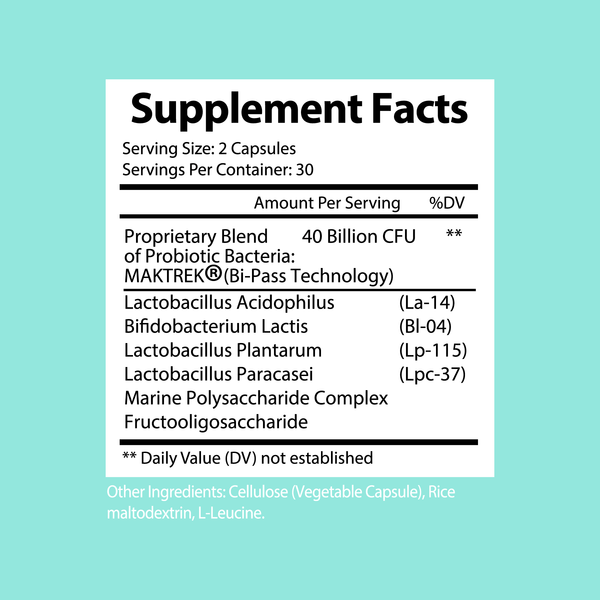
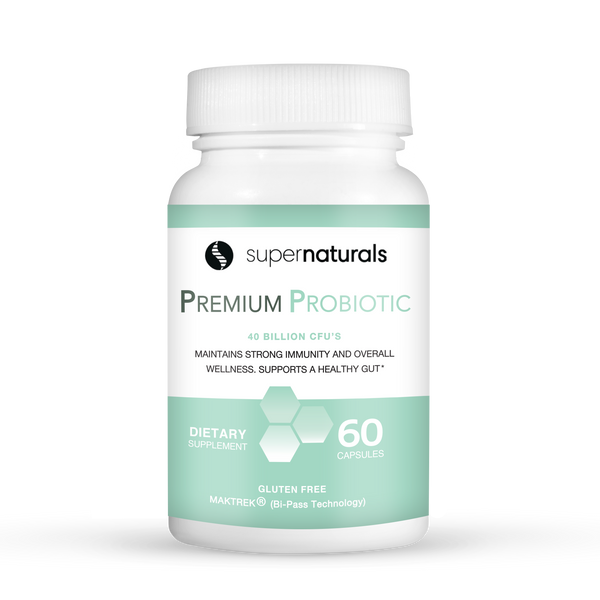
If you're eating more protein but feeling less regular, the fiber gap is likely the reason. Small daily habits close it, but many people also want a bit of extra support while they adjust their diet. Super Naturals Health offers gut-focused supplements built for exactly this stage, from digestive support to daily probiotics that fit around a protein-forward routine. Explore the full lineup and find the formula that matches where you're at.
Note: This article is for informational purposes only and is not a substitute for professional medical advice. Please talk to a doctor or qualified healthcare provider before starting any new supplement, especially if you have an existing health condition or take medication.