Skip to content

You finish a meal, lean back, and suddenly your stomach feels like a balloon. Tight. Puffy. Uncomfortable. Sound familiar?
Bloating is one of the most common digestive complaints in the country, yet most people brush it off as just part of life. But it is not something you have to live with. A bloating supplement or a simple lifestyle shift can change a lot. Understanding why bloating happens is the first step toward actually fixing it. Let's break it down clearly, simply, and honestly.
What Does Bloating Actually Feel Like?
Bloating is that feeling of tightness, fullness, or pressure in your belly. Sometimes your stomach looks visibly puffed out. Other times it just feels hard and uncomfortable to the touch.
It often comes with a few other symptoms too. You might burp more than usual, pass gas frequently, or feel a dull ache in your abdomen. The intensity ranges from mildly annoying to genuinely painful, depending on what is causing it.
The Most Common Reason You Feel Bloated
Here is the simple truth: the most common cause of bloating is excess gas in your digestive system. Gas is completely normal. Your gut bacteria naturally produce it while breaking down the food you eat, especially carbohydrates. This process is called fermentation. When your body cannot fully digest certain carbs, bacteria in your gut step in and do it for you. That produces a lot of gas, and gas means bloating. The more undigested carbs sitting in your gut, the more gas gets made. It is that straightforward.
Why Do Some People Bloat More Than Others?
Not everyone bloats the same way after the same meal. Here is why.
Some people have trouble digesting certain sugars. Lactose in dairy, fructose in fruit, and carbs found in wheat and beans are common culprits. When these sugars are not absorbed properly in the small intestine, they travel further down and ferment. That leads to gas and bloating.
Bacterial Imbalance in the Gut
Your gut has billions of bacteria, and they need to stay in balance. When bacteria from the large intestine overgrow into the small intestine, a condition called SIBO can develop. This bacterial imbalance causes excessive fermentation and frequent bloating even after small meals.
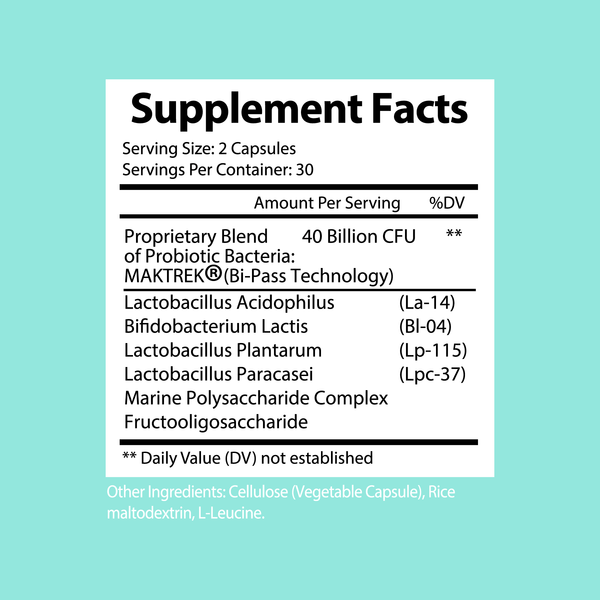
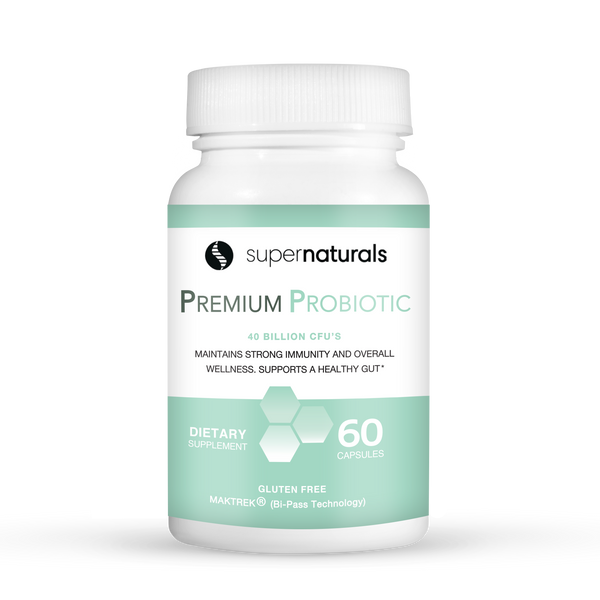
A probiotic supplement for bloating can help restore that bacterial balance over time, supporting a healthier gut environment.
Constipation and Slow Digestion
When stool backs up in your colon, everything slows down. Gas gets trapped, pressure builds up, and bloating follows. This is one reason constipation and bloating almost always show up together.
Women often notice more bloating around their period, during pregnancy, or in perimenopause. That is because estrogen causes water retention. When hormone levels shift, fluids can build up in the abdomen and add to that bloated, heavy feeling.
Some people with IBS feel bloated even when their gas levels are completely normal. Their gut is simply more sensitive to normal amounts of pressure. This is called visceral hypersensitivity. If you suspect IBS may be behind your bloating, look for a dietary supplement for bloating designed to offer IBS support alongside a conversation with your healthcare provider.
Everyday Habits That Make Bloating Worse
Sometimes the cause has nothing to do with a health condition. Daily habits play a huge role.
● Eating too fast is a big one. When you rush through meals, you swallow extra air. That air gets trapped in your digestive tract and causes gas and bloating. Slowing down and chewing thoroughly makes a real difference.
● Drinking carbonated drinks pumps extra gas directly into your gut. Sodas, sparkling water, and fizzy drinks all add to the gas load your digestive system has to deal with.
● Eating too much salt causes your body to hold onto water. That water retention contributes to that puffy, heavy feeling in your belly.
● Sitting for long periods slows digestion. Movement helps gas pass through your system naturally. Even a short walk after a meal can reduce bloating noticeably.
● Processed foods are low in fiber and high in fat and salt. They slow everything down and feed the kind of bacterial activity that leads to more gas.
How to Reduce Bloating: Simple Steps That Actually Help
The good news is that most bloating responds well to consistent daily habits. Here is what actually works.
Staying hydrated keeps food moving through your digestive tract at a healthy pace. It also prevents stool from getting too hard and backed up.
Fiber feeds good gut bacteria and keeps digestion regular. Start slowly if you are not used to it, since a sudden increase can temporarily cause more gas before things settle down.
Walking, stretching, and light activity all help your gut move gas along and prevent it from building up.
Keep a simple food journal for a week or two. Write down what you eat and how you feel afterward. Patterns show up quickly.
A magnesium supplement for bloating can help relax the muscles in your digestive tract and support more regular bowel movements, which reduces the backup that causes bloating.
Rebalancing your gut bacteria helps reduce fermentation and gas production over time. A quality probiotic supplement for bloating supports that process from the inside.
When Should You See a Doctor About Bloating?
Most bloating is harmless and manageable at home. But some situations call for medical attention. See a healthcare provider if your bloating does not go away after a few weeks, gets progressively worse, or comes with symptoms like fever, unexplained weight loss, blood in your stool, or vomiting. These could signal an underlying condition that needs proper evaluation. Persistent, severe bloating is not something to push through on your own.
FAQs
1. Why am I bloated every day, no matter what I eat?
Daily bloating often points to a gut bacteria imbalance, food sensitivity, or slow digestion. Tracking your meals and adding a probiotic or fiber supplement can help identify and address the root cause.
2. Does drinking water help with bloating?
Yes, in most cases. Water helps move food and gas through your digestive system. Dehydration slows digestion and makes constipation worse, which directly contributes to bloating and pressure.
3. What foods cause the most bloating?
Beans, lentils, cruciferous vegetables like broccoli and cauliflower, dairy, wheat, carbonated drinks, and high-sodium processed foods are the most common bloating triggers for most people.
4. Can stress cause bloating even without changing your diet?
Yes. Stress directly affects your gut through the gut-brain connection. It can slow digestion, increase gut sensitivity, and disrupt bacterial balance, all of which lead to bloating even when your diet stays the same.
5. How long does it take for bloating to go away?
Occasional bloating from a heavy meal usually passes within a few hours. Chronic bloating tied to diet or bacterial imbalance can take one to four weeks of consistent habit changes and supplementation to noticeably improve.
Done With Feeling Bloated Every Day? Let's Fix That.
We built Super Naturals Health for exactly this reason. We got tired of seeing people manage bloating with quick fixes that never actually solved anything. So we went back to basics and formulated something that works with your body, not against it.
Our IBSolution brings together natural ingredients like psyllium husk, aloe vera, ginger, inulin, and slippery elm to give your gut real, daily support. Every ingredient has a job. Every batch is made in an FDA-registered, NSF-certified facility right here in the USA.
Whether you bloat after every meal, feel gassy and heavy by afternoon, or just want your digestion to finally feel normal, we made this for you. We lead with transparency, and we stand behind every product we make. Your gut deserves better than just getting by. Let us help you get there.