Skip to content


You can increase fiber without bloating by raising your intake gradually and pairing it with enough water. Sudden jumps in fiber overwhelm gut bacteria before they adjust. A slow, steady approach lets your digestive system adapt comfortably.
Before You Start
Most adults fall short of daily fiber targets. Women need 25 to 28 grams a day, and men need 31 to 38 grams, according to national dietary guidelines. Know your current intake first, since jumping straight to these numbers is the main reason fiber causes bloating in the first place.
Step 1: Increase Fiber Slowly
Add fiber in small steps rather than all at once. Aim for an extra 3 to 5 grams every few days, roughly the amount in one apple or a serving of oatmeal. This gives gut bacteria time to adjust without producing excess gas. Think of your gut microbiome like a muscle. It needs gradual training, not a sudden overload, to handle more fiber well.
Step 2: Drink More Water as You Add Fiber
Fiber absorbs water as it moves through your digestive tract, which softens and bulks up stool. Without enough fluid, that same fiber can turn hard and dry, causing bloating and constipation instead of preventing it. Increase your water intake at the same time you increase fiber, not after.
Step 3: Spread Fiber Across Meals Instead of One Sitting
Eating 20 grams of fiber in a single meal is more likely to cause bloating than spreading it out. Aim for roughly 6 to 10 grams at breakfast, lunch, and dinner, with smaller amounts in snacks. This keeps your gut working steadily instead of all at once.
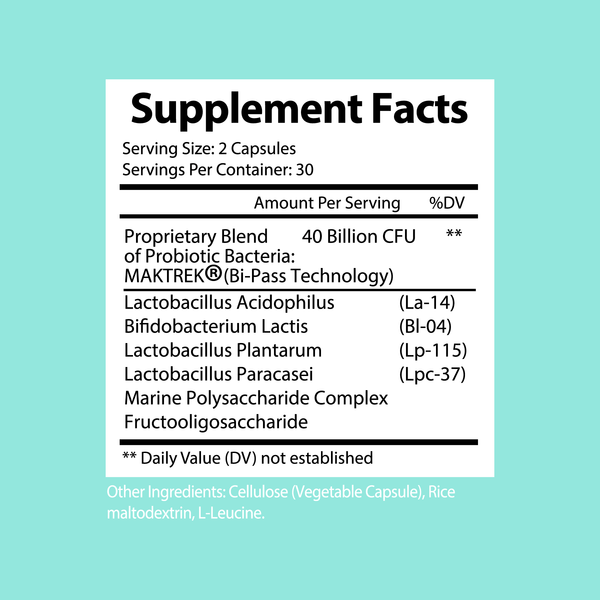
Some people also add daily probiotic support while their gut adjusts to more fiber. A probiotic like Premium Probiotic is one option worth knowing about, since balanced gut bacteria play a direct role in how well your body processes fiber.
Step 4: Choose Gentler Fiber Sources First
Raw fruits and vegetables with a lot of roughage are harder to digest than cooked versions. Start with softer options like oatmeal, cooked vegetables, bananas, or beans instead of raw salads or whole nuts. Once your gut adjusts, you can reintroduce rawer, higher-fiber foods with less discomfort.
Step 5: Balance Soluble and Insoluble Fiber
Soluble fiber, found in oats and beans, dissolves in water and slows digestion. Insoluble fiber, found in whole grains and vegetable skins, adds bulk and speeds up digestion. Eating a mix of both, rather than loading up on one type, tends to cause less gas and bloating.
Step 6: Keep Moving Throughout the Day
Regular movement helps the bowels function smoothly and reduces the risk of constipation-related bloating. A daily walk, swim, or other moderate activity three to four times a week supports digestion as your fiber intake goes up.
How Fiber Fermentation Actually Works in Your Gut?
Gas after eating more fiber isn't a malfunction. It's a sign of fermentation, the process where gut bacteria break down fiber your body can't digest on its own. As bacteria ferment fiber, they release gases like hydrogen and carbon dioxide as a normal byproduct, along with short-chain fatty acids such as butyrate.
Butyrate is a compound that feeds and protects the cells lining your colon. This is why fiber, even with some gas, supports long-term gut health. The goal isn't zero gas. It's keeping fermentation gradual enough that gas production doesn't outpace what your gut can comfortably handle.
Common Mistakes to Avoid
● Jumping from a low-fiber to a high-fiber diet within a day or two.
● Adding fiber supplements without also increasing water intake.
● Eating all your fiber in one large meal instead of spreading it out.
● Ignoring ongoing severe bloating instead of checking in with a healthcare provider.
If You Have a Sensitive Gut or IBS
People with IBS, or irritable bowel syndrome, sometimes notice more gas and discomfort as fiber increases, since fermentation can feel more intense in a sensitive gut. This doesn't mean fiber should be avoided altogether. Some people managing IBS look for a supplement for IBS support alongside dietary changes, but any new supplement or major diet shift is worth discussing with a doctor first.
FAQs
How much fiber should I add at once?
Add about 3 to 5 grams every few days. Jumping straight to your full daily target is the most common cause of bloating and gas.
Does drinking water really help with fiber-related bloating?
Yes, water helps fiber move through your digestive tract instead of sitting and fermenting too quickly. Without enough fluid, fiber can worsen bloating instead of easing it.
Why does fiber cause gas in the first place?
Gut bacteria ferment fiber, releasing gas as a natural byproduct. This process also produces short-chain fatty acids that support colon health.
Is it better to get fiber from food or supplements?
Food is generally the gentler source, since it releases fiber gradually. Supplements deliver a larger dose at once, so they need to be added carefully and with enough water.
How long does it take for bloating to go away as I add more fiber?
Most people adjust within a few weeks of gradual increases. If bloating stays severe or doesn't improve, check in with a healthcare provider.
Can exercise really reduce fiber-related bloating?
Yes, movement helps stimulate the muscles that push stool through the intestines, which reduces the chances of gas building up.
Ready to Build a Comfortable Fiber Routine?
Increasing fiber doesn't have to mean living with bloating and gas. Going slow, staying hydrated, and spreading fiber across your meals makes the biggest difference. Super Naturals Health offers gut-focused supplements, including daily probiotics, designed to support your digestion while your body adjusts to a higher-fiber routine. Explore the lineup and find the formula that fits your gut's pace.
Note: This article is for informational purposes only and is not a substitute for professional medical advice. Please talk to a doctor or qualified healthcare provider before starting any new supplement, especially if you have an existing health condition or take medication.