Skip to content

Digestive enzymes and probiotics both help your gut, but they do very different jobs. Enzymes break down the food you eat, so your body can absorb the nutrients. Probiotics are live bacteria that keep the community inside your gut in balance.
Most people need one more than the other. It all depends on what your symptoms actually are. Knowing the difference can save you a lot of money, time, and guesswork.
Digestive Enzymes vs Probiotics: A Quick Comparison
|
Feature |
Digestive Enzymes |
Probiotics |
|
What they are |
Non-living proteins |
Live bacteria |
|
Primary job |
Break down food |
Balance gut bacteria |
|
When they work |
During meals, right away |
Over days to weeks |
|
Best for |
Bloating after eating, food intolerances |
IBS, irregular bowels, gut imbalance |
|
Found naturally in |
Saliva, pancreas, small intestine |
Yogurt, kimchi, fermented foods |
|
Can you take both? |
Yes |
Yes |
What Are Digestive Enzymes?
Digestive enzymes are proteins your body makes naturally. Their job is to break down the food you eat into smaller pieces that your body can actually use. They start working in your mouth and keep going through your stomach and small intestine.
Your body makes several different types. Amylase breaks down carbohydrates like bread and potatoes. Lipase breaks down fats from foods like avocado and olive oil. Protease breaks down proteins from chicken, eggs, and fish. Lactase breaks down the sugar in dairy products like milk and cheese. When your body doesn't make enough of these enzymes, food doesn't break down properly. That's when you get bloating, gas, and cramping shortly after eating.
Who Needs Digestive Enzymes Most?
Enzyme supplements work best for people who feel bloated right after meals. They also help people who struggle to digest dairy, high-fat foods, or high-protein meals. Enzymes don't change your gut bacteria or fix long-term gut imbalances. If your symptoms show up quickly after eating a specific food, digestive enzymes are likely the right place to start.
What Are Probiotics?
Probiotics are live bacteria that support a healthy, balanced gut. They don't break down food the way enzymes do. Instead, they increase the number of helpful bacteria living inside your gut.
According to WellWise Services, strains like Lactobacillus and Bifidobacterium have been studied for reducing bloating, supporting regular bowel movements, and easing IBS symptoms. You find probiotics naturally in fermented foods like yogurt, kefir, and kimchi. They also come as daily supplements.
Probiotics take time to kick in. Most people start noticing changes after two to four weeks of daily use. Bigger changes in your gut microbiome usually take one to three months.
Who Needs Probiotics Most?
Probiotics are a great fit for people with IBS, inconsistent bowel habits, or chronic bloating that isn't linked to one specific food. They also help people who just finished a round of antibiotics, since antibiotics can wipe out a lot of the good bacteria in your gut. If your gut just feels off in general, probiotics address the root environment. They fix the soil, not just the one meal that caused trouble.
Which One Should You Actually Choose?
This comes down to your symptoms. Here's a simple way to think about it.
Pick digestive enzymes if:
● You feel bloated or gassy right after eating
● Dairy, fatty foods, or high-protein meals bother you specifically
● Your symptoms are clearly tied to what you just ate
Pick probiotics if:
● Your bloating isn't linked to any one food
● Your bowel habits are unpredictable or irregular
● You have IBS or recently took antibiotics
● You want to support your gut health long-term
Consider both if:
● You have an ongoing gut imbalance and also struggle with digesting certain foods
● You want to support both food breakdown and gut bacteria balance at the same time
According to Pendulum, digestive enzymes and probiotics are not competing. They work on completely separate systems and are safe to take together for most people.
The Bottom Line
Digestive enzymes fix an immediate problem: your food isn't breaking down properly. Probiotics fix a longer-term problem: your gut bacteria are out of balance.
Neither one is better than the other overall. The right choice depends on where your gut is struggling. If you're unsure, starting with probiotics is a solid first move for most people with general gut concerns. If your symptoms are clearly tied to meals or specific foods, enzymes may give you faster relief.
Many people find that using both works better than either one alone.
FAQs
1. What is the difference between digestive enzymes and probiotics?
Digestive enzymes are proteins that break food down during digestion. Probiotics are live bacteria that balance your gut microbiome. Enzymes work right away at mealtime. Probiotics work slowly over time to shift your gut environment for the better.
2. Can you take digestive enzymes and probiotics at the same time?
Yes, you can. They work on different systems and don't get in each other's way. Enzymes handle food breakdown. Probiotics support your gut bacteria. Taking both together can help multiple parts of your digestive system at once.
3. Do digestive enzymes actually help with bloating?
Yes, especially if your bloating starts right after eating. When your body can't break down fats, proteins, or dairy properly, undigested food sits in your gut and ferments. That produces gas and bloating. Enzyme supplements can reduce this quickly.
4. How long do probiotics take to work?
Most people notice early improvements within two to four weeks of taking probiotics every day. Real changes to your gut microbiome usually build over one to three months. Consistency every single day matters more than any single dose.
5. Do digestive enzymes or probiotics have side effects?
Both are generally safe and well-tolerated. Some people feel mild gas or bloating when they first start probiotics as their gut adjusts. Digestive enzyme side effects are rare. If you have a diagnosed condition, check with your doctor before starting either supplement.
Find the Right Gut Support for Your Body
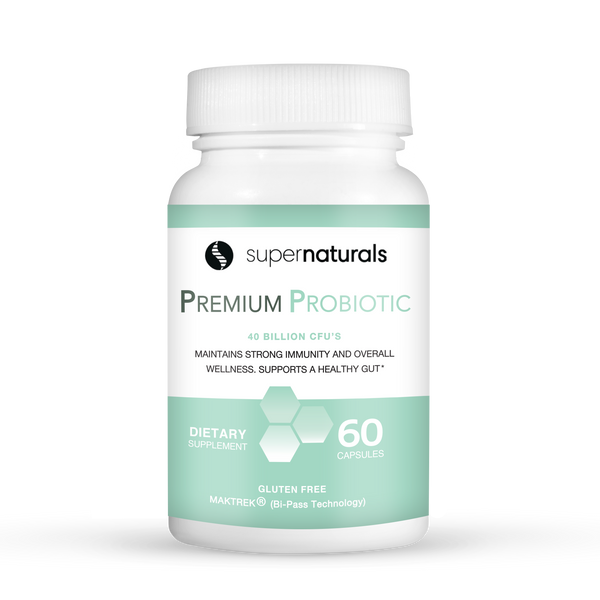
Once you know what your gut actually needs, finding the right support gets a lot easier. Super Naturals Health offers a full range of natural gut health products built for everyday digestive support. IBSolution is their all-natural formula packed with prebiotic fiber, soothing botanicals, and gut-supportive ingredients that work together to improve regularity, reduce bloating, and help your gut find its balance. Browse the full lineup at supernaturalshealth.com/collections/all and find what actually works for your body.
This blog is for informational purposes only and is not medical advice. If you have ongoing or serious digestive symptoms, please speak with a qualified healthcare provider before starting any new supplement.