Skip to content

Ever stood in a supplement aisle and felt totally lost? We have too. Labels list strange names, big numbers, and bold promises. After years of reading them, we know how to cut through the noise. In this guide, we will show you what a smart advanced gut health bundle should include. We will keep it simple and honest. You will learn what each part does and why it matters.
Why Gut Health Deserves Your Attention
Your gut does far more than digest food. Trillions of tiny microbes live there. They help break down meals, make some vitamins, and work with your immune system. When the balance shifts, you may feel bloated, gassy, or just off. Stress, poor sleep, and rushed meals can all play a part. In our experience, most people only notice their gut when it complains. A steady routine can help you support it before things get uncomfortable.

What Should a Complete Gut Health Formula Include?
The short answer is more than one thing. Your gut has several jobs, so one ingredient rarely covers them all. A well-built gut health supplement names every ingredient and shows the amount of each. Here are the core parts to look for.
Probiotics: The Good Bacteria
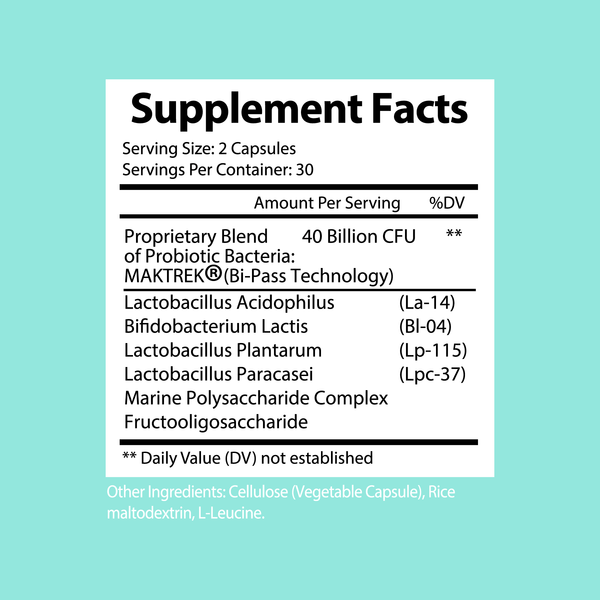
Probiotics are live microbes. They may help keep your gut balanced. Each strain works a little differently, so the name on the label matters. Look for specific strains, such as Lactobacillus acidophilus, instead of a vague “probiotic blend.” Also check the CFU count. CFU stands for colony-forming units, and it tells you how many live cultures sit in each dose.
Prebiotics: Food for the Good Bacteria
Prebiotics are fibers your body cannot digest. Your helpful bacteria eat them instead. Think of prebiotics as fertilizer and probiotics as seeds. Common examples include inulin, FOS, and GOS. Start with small amounts. Too much fiber too fast can cause extra gas.
Postbiotics: The Helpful Byproducts
Postbiotics are made of inactive microbes or the compounds bacteria create. Short-chain fatty acids are one example. This area is newer, and research is still growing. A big plus is stability, because postbiotics do not need to stay alive.
Digestive Enzymes: The Meal Breakers
Enzymes help your body break down food. Protease handles protein, lipase handles fat, and amylase handles carbs. Lactase helps with milk sugar. Plant sources like bromelain from pineapple and papain from papaya are also common. Enzymes can be handy after heavy meals. They also help when certain foods feel hard to digest.
Fiber and Soothing Botanicals
Psyllium fiber supports regular bathroom trips. Ginger, slippery elm, aloe, and fennel are often used for digestive comfort. Research varies by herb and dose. So look for clear amounts and not just a long list of names.
How to Choose the Best Supplements for Gut Health
Picking from a crowded shelf can feel hard. These steps make it easier. We use the same ones ourselves.
- Name your goal: Do you want help with bloating, regularity, or digestion after meals? Your goal guides every other choice.
- Read the full label: Skip products with hidden blends. You want to see each ingredient and its amount.
- Check strains and CFUs: Named strains and a clear CFU count show the brand is open about what is inside.
- Look for variety: A formula with probiotics, fiber, and enzymes covers more bases than a single ingredient.
- Check quality signals: Third-party testing and GMP manufacturing are good signs. So is a clear expiration date.
- Talk with your doctor: This matters most if yo u take medicine or have a health condition.
What to Expect From Supplements for Gut Health
Here is the honest part. Supplements for gut health work best alongside good habits. They are not a replacement for food, sleep, or water. Most people need a few weeks of steady use before noticing a change. Take your doses at the same time each day. Add fiber-rich foods like oats, beans, and berries. Drink plenty of water, too. Small habits add up over time.
A Quick Safety Note
Supplements are not right for everyone. Talk with your doctor first if you are pregnant, nursing, or on medication. The same goes for anyone with a weak immune system. Severe pain, blood in your stool, or sudden weight loss needs medical care. Do not try to fix those with a supplement. These statements have not been evaluated by the FDA, and supplements are not meant to treat or cure any disease.
FAQs
What should an advanced gut health bundle include?
A good advanced gut health bundle should include probiotics, prebiotic fiber, and digestive enzymes. Some formulas add soothing botanicals or postbiotics. Together, they support balance, digestion, and comfort in different ways.
What is the difference between probiotics, prebiotics, and postbiotics?
Probiotics are live good bacteria. Prebiotics are fibers that feed those bacteria. Postbiotics are helpful byproducts, or inactive microbes, with possible benefits. Each one plays a different role in your gut.
Why are probiotics important in a gut health supplement?
Probiotics add helpful bacteria to your gut. They may support a balanced microbiome, smoother digestion, and regular bathroom habits. Benefits depend on the strain, so check the label for named strains and CFU counts.
How does prebiotic fiber support beneficial gut bacteria?
Prebiotic fiber passes through digestion untouched. Good bacteria in your colon then ferment it for energy. This helps them grow and produce short-chain fatty acids, which support the health of your gut lining.
Should a complete gut health formula contain digestive enzymes?
Often, yes. Digestive enzymes help break down proteins, fats, and carbs so your body can absorb nutrients. They are useful after heavy meals or when dairy and beans feel hard to digest.
Are multi-strain probiotics better than single-strain probiotics for gut health?
Not always, but they often cover more ground. Different strains do different jobs. Research is strain specific, so a well-studied single strain can also work. Choose based on your goal and the evidence.
Can gut health supplements help with bloating, gas, and digestive discomfort?
They may help some people. Probiotics, enzymes, and certain herbs support digestion and comfort. Results vary by cause. If bloating is severe or lasts for weeks, talk with your doctor.
How do you choose the best supplements for gut health based on your needs?
Start with your main goal, such as bloating, regularity, or digestion after meals. Then match ingredients to it. Read labels for named strains, CFUs, and clear amounts. Ask your doctor if you take medicines.
What should you check on a gut health supplement label before buying it?
Check named strains, CFU count, serving size, and a full ingredient list. Avoid hidden blends with no amounts. Look for allergen details, an expiration date, and signs of third-party testing or GMP manufacturing.
How long does it take for a gut health supplement to show results?
Some people notice changes within a few days. Most need two to four weeks of steady use. Fiber and probiotics can take longer. Give it at least a month, and keep your diet balanced.
Ready to Build Your Gut Routine? Try the Gut Health Super Bundle
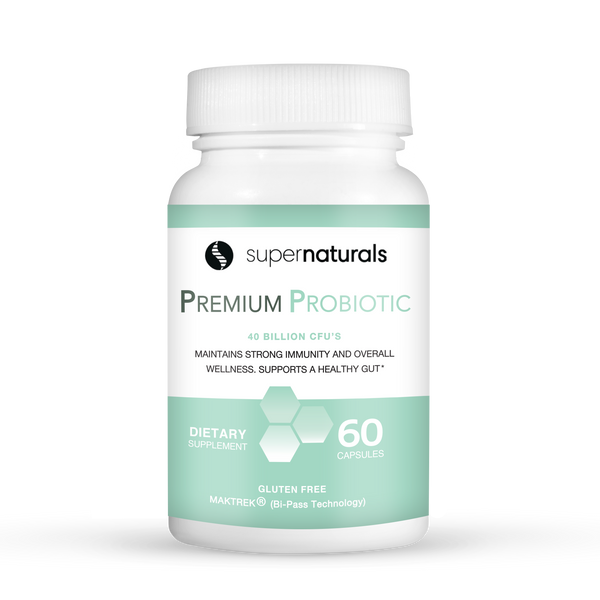
We know how overwhelming it feels to piece together a routine on your own. That is why we built a simple, all-in-one option. At Super Naturals Health, we paired three formulas in our Gut Health Super Bundle, our take on an advanced gut health bundle. It includes IBSolution, Premium Probiotics, and Digest Plus Digestive Enzyme. Our probiotics use MakTrek Bipass technology and deliver 40 billion CFUs. Digest Plus brings a blend of enzymes to help break down proteins, fats, and carbs. You also save 25% when you buy the trio together, and a 30-day money-back guarantee backs your order. Give it a try, and let us help you feel good from the inside out.