Skip to content

If your stomach feels off more days than not, you're not imagining it. Bloating, low energy, and slow digestion often trace back to one place: the gut. That's why so many people are searching for the right supplements for gut health to help their body feel balanced again.
We've spent a lot of time learning what actually helps, and what's just hype. Below, we'll walk through the supplements worth knowing about, how they work, and how to pick ones that fit your life.
Why Gut Health Matters So Much?
Your gut does more than digest food. It's home to trillions of bacteria that affect your mood, your immune system, and even your skin. When those bacteria fall out of balance, you might notice bloating, fatigue, or irregular digestion. Stress, poor sleep, and processed foods can all throw the gut off track. So can antibiotics, which wipe out both good and bad bacteria at once. This is often when people start looking for extra support.

The Core Supplements Worth Knowing
Probiotics
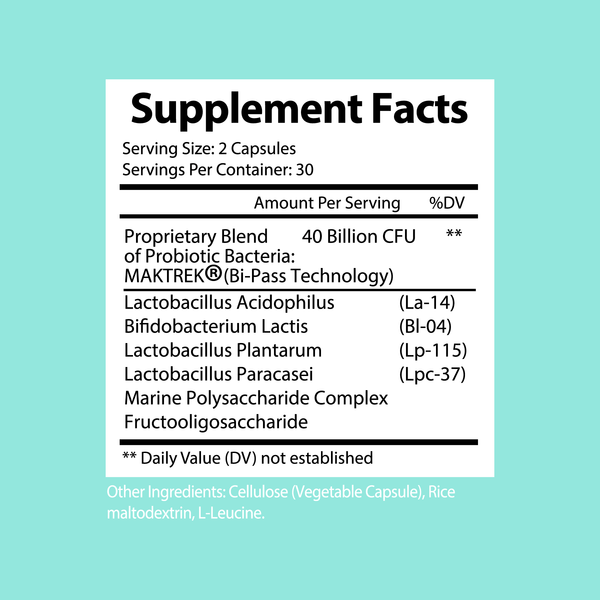
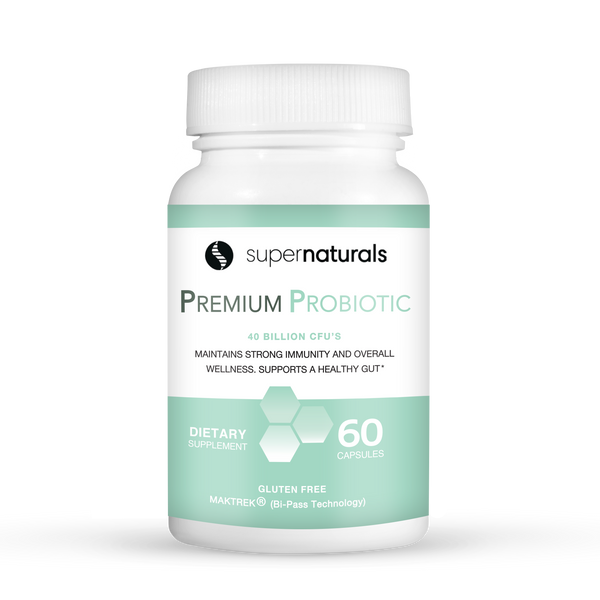
Probiotics are live bacteria that help restore balance in your gut. You'll find them in yogurt, kefir, and fermented foods, or in supplement form. They work by adding more of the "good" bacteria strains, like Lactobacillus and Bifidobacterium, to your digestive system. This can support digestion and may ease bloating over time. If you've recently finished a round of antibiotics, probiotics can help your gut bounce back faster. For best results, look for a supplement with multiple strains. Consistency matters more than a single big dose.
Prebiotics
Prebiotics don't get as much attention, but they're just as important. Think of them as food for the good bacteria already living in your gut. Prebiotic supplements for gut health contain fibers that feed probiotics, helping them grow and do their job well. You'll find prebiotics naturally in garlic, onions, bananas, and oats. A supplement can help fill the gap if your diet is low in fiber.
Digestive Enzymes
If big meals leave you feeling heavy or gassy, digestive enzymes might help. These break food down into smaller pieces your body can absorb more easily. Different enzymes handle different jobs. Amylase breaks down carbs, protease works on protein, and lipase handles fats. A full-spectrum enzyme supplement covers all three, which is helpful if you're not sure which foods are causing trouble.
Fiber Supplements
Most people simply don't eat enough fiber, and the gut notices. Fiber keeps digestion moving and feeds the good bacteria that keep your system balanced. If your meals are light on fruits, vegetables, and whole grains, a fiber supplement can help close that gap. Start with a small amount and drink plenty of water, since too much too fast can cause discomfort.
L-Glutamine
This amino acid doesn't get much hype, but it plays a quiet, important role. L-glutamine helps repair and protect the lining of your gut, which can get worn down by stress, illness, or antibiotics. It's especially useful for people with sensitive stomachs. Bone broth is a natural source, but a supplement can offer more concentrated support.
Choosing the Best Supplements for Gut Health
With so many products on shelves, picking the right one can feel overwhelming. A few things to check before you buy:
● Strain variety: For probiotics, more strains usually means broader support.
● Third-party testing: Since supplements aren't regulated like medications, testing helps confirm what's actually in the bottle.
● Clean ingredients: Fewer fillers and additives mean a simpler, gentler product.
● Realistic claims: Be wary of anything promising instant, dramatic results.
The best supplements for bloating and gut health usually combine a few of these ingredients rather than relying on just one. Probiotics paired with digestive enzymes, for example, can support both bacterial balance and food breakdown at the same time.
How to Add Supplements to Your Routine
Adding gut health supplements doesn't have to be complicated. Start with one product at a time so you can notice how your body responds. Take it at the same time each day, ideally with food, unless the label says otherwise. Give it a few weeks before deciding if it's working. Gut bacteria take time to shift, and quick judgments can lead to switching products too soon.
Pair supplements with everyday habits that support digestion, like drinking enough water, staying active, and eating slowly. These small steps make a real difference alongside anything you take in pill or powder form.
When to Talk to a Doctor
Supplements can help, but they're not a replacement for medical care. If you're dealing with ongoing bloating, pain, or major changes in your bowel habits, it's worth talking to a doctor or dietitian. They can help rule out other causes and guide you toward what your body actually needs.
FAQs
What are the best supplements for gut health?
Probiotics, prebiotics, digestive enzymes, fiber, and L-glutamine are among the most helpful. Together, they support bacteria balance, digestion, and gut lining repair.
What supplements can help improve digestion and gut health?
Digestive enzymes and probiotics are two of the most direct options. Enzymes break down food, while probiotics help balance gut bacteria for smoother digestion.
Are probiotics or prebiotics better for gut health?
Neither is "better." Probiotics add good bacteria, while prebiotics feed it. Using both together often gives the most complete support.
What are the benefits of taking a gut health supplement?
Benefits may include better digestion, less bloating, more consistent energy, and stronger immune support, since much of the immune system lives in the gut.
Can gut health supplements help reduce bloating?
Yes, for many people. Probiotics and digestive enzymes are often the most helpful for easing bloating tied to digestion or bacterial imbalance.
How do probiotics support a healthy gut?
Probiotics add live, beneficial bacteria to your digestive system. This helps crowd out harmful bacteria and supports smoother digestion overall.
What ingredients should you look for in a gut health supplement?
Look for multiple probiotic strains, clean prebiotic fibers, and third-party testing. Avoid products with long lists of unnecessary fillers.
How long does it take for gut health supplements to work?
Most people notice changes within two to four weeks. Gut bacteria shift gradually, so consistency matters more than speed.
Can you take probiotics and prebiotics together?
Yes, and it's often recommended. Prebiotics feed the probiotics, helping the good bacteria settle in and multiply more effectively.
Should you take gut health supplements every day?
For most people, daily use works best. Consistency helps maintain steady bacteria levels rather than starting over each time you stop.
Ready to Support Your Gut, Every Day?
We know how frustrating it feels when your gut just won't cooperate, no matter how careful you are with meals. That's exactly why we built Super Naturals Health to make quality gut support simple and approachable. If you're ready to give your digestion the steady, everyday care it deserves, explore our gut health collection and find the option that fits your routine.
This article is for informational purposes only and is not a substitute for professional medical advice. Please talk to a doctor or qualified healthcare provider before starting any new supplement, especially if you have an existing health condition or take medication.