Skip to content

Ultra Omega 3 capsules are dietary supplements with EPA and DHA, two omega-3 fats found in fish oil. Your body needs both. It makes very little on its own. Capsules give you a simple way to add them to your day. Think of EPA and DHA as two workers on one team. DHA is the builder. It helps form the walls of cells in your brain and eyes. EPA is the maintenance crew.
It helps your body make signals tied to inflammation. You need both on the job. Ultra Omega is part of a gut health and daily wellness supplement line. The line is sold online to adults who want everyday support. This guide explains what sits inside the capsule, why it matters, and how to choose a good one.
EPA and DHA Explained
Omega-3 fatty acids are fats found in food and in your body. According to the National Center for Complementary and Integrative Health (NCCIH), researchers study EPA and DHA more than any other omega-3s.
Definition: EPA (eicosapentaenoic acid) and DHA (docosahexaenoic acid) are long-chain omega-3 fats found in fatty fish, shellfish, and fish oil supplements.

Here is how the two compare.
| EPA | DHA | |
|---|---|---|
| Full name | Eicosapentaenoic acid | Docosahexaenoic acid |
| Main role | Helps make signals linked to inflammation | Supports brain, eye, and cell membrane structure |
| Common sources | Salmon, mackerel, tuna, fish oil | Salmon, mackerel, tuna, fish oil, algal oil |
How Ultra Omega 3 Capsules Compare With Other Omega-3 Supplements
Not every omega-3 product works the same way. NCCIH lists several common types. Each one has a different makeup.
● Fish oil: This is the most common type. It supplies both EPA and DHA.
● Cod liver oil: It also has EPA and DHA. It adds vitamins A and D, and too much of those can cause harm.
● Krill oil: It carries omega-3s in a form called phospholipids.
● Algal oil: This plant-based option supplies DHA. Some products add EPA.
● Flaxseed oil: It offers ALA only, so it is a different kind of omega-3.
Always read the supplement facts panel. It shows how much EPA and DHA each serving gives you.
Why EPA and DHA Matter for Your Health
Here’s the thing: the research is mixed. Honest facts help you decide with confidence. NCCIH shares these findings.
● Heart health: A 2020 review of 86 studies found higher EPA and DHA intake slightly lowered coronary events and coronary death.
● Triglycerides: A 2020 review of 23 studies found EPA and DHA lowered triglycerides by about 15 percent. Prescription omega-3 drugs differ from store supplements, so results may not match.
● Mood, focus, and eyes: Results are less clear. Reviews found any effect on depression may be too small to matter. A 2023 review found no clear gain for children with ADHD.
● Seafood: For some conditions, seafood shows stronger evidence than supplements do.
That said, the Dietary Guidelines for Americans suggest adults eat at least 8 ounces of seafood each week. Capsules can fill the gap when fish is rare on your plate.
A Real-World Example
Picture Sam, who rarely eats fish. Sam’s meals lean toward chicken and pasta. Sam’s diet holds almost no EPA or DHA.
Sam talks with a doctor first. Then Sam picks a capsule with clear EPA and DHA amounts on the label. Sam also adds one salmon dinner each week. Food and capsules work together here. This is an illustration, not medical advice.
How to Choose High-Quality Ultra Omega 3 Capsules
Follow these steps before you buy.
- Find the EPA and DHA amounts: Look past the words “fish oil 1,000 mg.” Check how much EPA and DHA each serving holds.
- Look for third-party testing: Independent labs can confirm purity and strength.
- Check freshness: Fish oil can spoil. A strong, sour smell is a warning sign.
- Read the full ingredient list: Note any allergens and added vitamins.
- Ask your doctor: This matters most if you take medicine or are pregnant.
Ultra Omega 3 Capsules and Gut Comfort
Many shoppers search for bloating supplements and constipation relief. Others look for supplements for irritable bowel support. Omega-3 capsules are not made for those jobs. They work in a different category than other relief supplements.
NCCIH notes some people get digestive side effects from omega-3s, such as heartburn, nausea, or diarrhea. If gut comfort is your main goal, explore gut health supplements and talk with your doctor about what fits you.
FAQs
What are EPA and DHA in Ultra Omega 3 capsules?
EPA and DHA are two long-chain omega-3 fatty acids found in fish oil. EPA stands for eicosapentaenoic acid. DHA stands for docosahexaenoic acid. Both come from the oil inside the capsule.
What is the difference between EPA and DHA?
EPA and DHA are both omega-3s with different jobs. DHA is a building block for brain and eye tissue. EPA is tied more to inflammation signals and heart research. Most fish oil capsules contain both.
Why are EPA and DHA important for overall health?
Your body uses EPA and DHA in cell membranes, the brain, and the eyes. It makes only small amounts alone, so most people get them from seafood or supplements.
What are the benefits of taking an omega-3 supplement containing EPA and DHA?
Research shows EPA and DHA can lower triglycerides by about 15 percent. They also slightly reduce coronary events in some studies. Results for mood, eyes, and ADHD are mixed. Talk with your doctor about your goals.
How much EPA and DHA should an omega-3 supplement contain?
No official daily target exists for EPA and DHA alone. One 2019 review linked 1 gram of total omega-3s per day to some heart benefits in the general population. Check the label and ask your doctor.
Is Ultra Omega 3 better than a standard fish oil supplement?
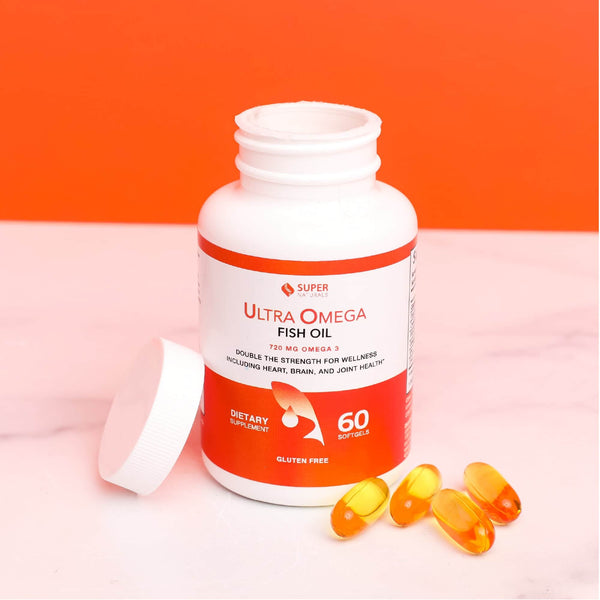
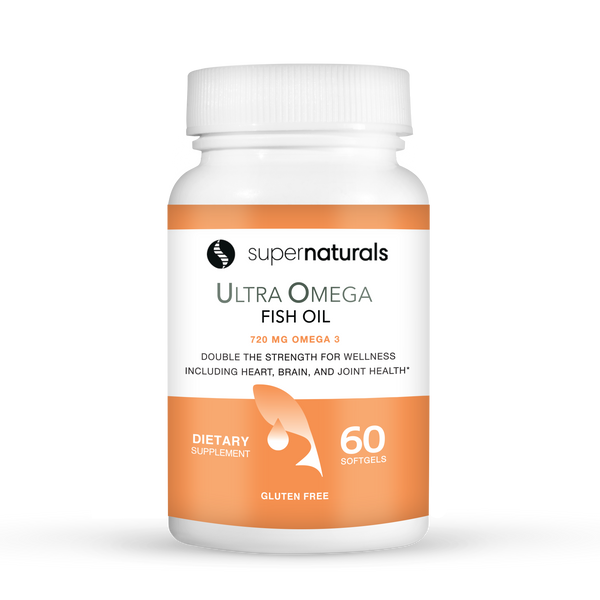
It can be. Ultra Omega Fish Oil holds 720 mg of omega-3s per capsule, while most 1,200 mg capsules hold about 360 mg. Still, compare supplement facts panels side by side. Check the EPA and DHA per serving, the testing, and the freshness.
How do you choose high-quality ultra omega 3 capsules?
Check the EPA and DHA amounts per serving. Look for third-party testing. Confirm the oil smells fresh, not sour. Then review the other ingredients and allergen notes on the label.
Can you get enough EPA and DHA from food instead of supplements?
Yes, if you eat fatty fish often. The Dietary Guidelines suggest 8 ounces of seafood weekly, including types higher in EPA and DHA. Capsules help if you rarely eat fish.
Are ultra omega 3 capsules safe to take every day?
For most adults, yes, when taken at the label dose. NCCIH says side effects are usually mild. The FDA advises keeping EPA and DHA under 3 grams daily from all sources. Ask your doctor first.
Can omega-3 supplements interact with medications or cause side effects?
Yes. High doses may raise bleeding risk, so tell your doctor if you take blood thinners. Common side effects include fishy taste, bad breath, heartburn, nausea, and diarrhea.
Ready to Add Omega-3s to Your Routine?
Now you know what EPA and DHA do and how to read a label. Super Naturals Health puts those facts to work in Ultra Omega Fish Oil. Each soft gel holds 1,200 mg of fish oil. You get 720 mg of omega-3s, with 432 mg of EPA and 288 mg of DHA. Most 1,200 mg capsules hold only about 360 mg of omega-3s, so this one doubles the strength.
The oil is 100% pure, sea-harvested pelagic fish oil. It is made in a strict quality control setting and tested for known contaminants. There is no fishy aftertaste or smell, and the capsules are easy to swallow.
Visit the Ultra Omega Fish Oil page and compare the supplement facts for yourself. Every order comes with a 30-day money-back guarantee. Talk with your doctor before you start, especially if you take medicine or are pregnant. This article is for education and does not replace medical advice. These statements have not been evaluated by the FDA. This product is not intended to diagnose, treat, cure, or prevent any disease.