Skip to content

The answer depends on your main symptom. Soluble fiber like psyllium helps constipation and loose stools, enteric-coated peppermint oil eases pain, and the right probiotic strain calms bloating. Think of IBS supplements as tools in a toolbox. A hammer will not fix a leaky pipe. In the same way, a fiber powder will not stop cramps, and peppermint oil will not firm up stool. The right tool for the job saves you time and money.
At a Glance
● Psyllium fiber has good evidence for constipation and loose stools.
● Enteric-coated peppermint oil eases belly pain and cramping.
● Targeted probiotic strains help bloating and irregular bowel habits.
● Digestive enzymes help with specific trigger meals, not every meal.
Match the supplement to your main symptom and give it four weeks.

What Are the Top Supplements for IBS Symptoms?
The Canadian Digestive Health Foundation published a review by registered dietitian Beth Nanson. It covers five common IBS supplements. Here is the short version:
- Fiber (psyllium): Softens and bulks stool. Start low and build up slowly.
- Peppermint oil: Relaxes gut muscles to reduce pain and bloating.
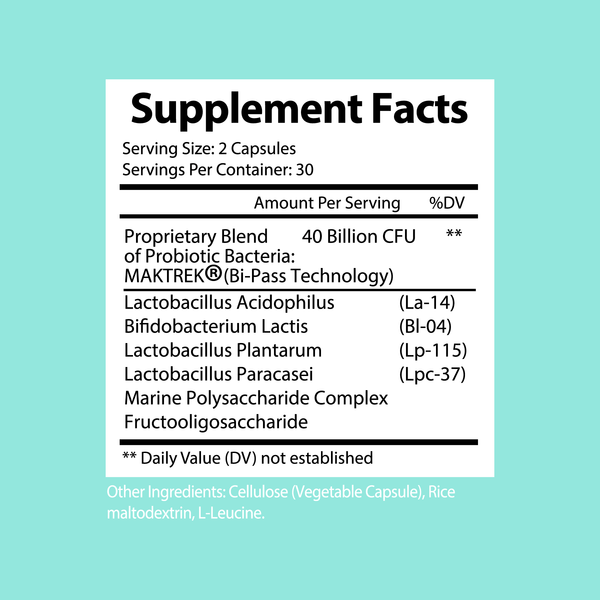
- Probiotics: Certain strains improve bowel habits, pain, and gas.
- Digestive enzymes: Help break down harder-to-digest meals.
- Prebiotics: Lack strong evidence and may worsen symptoms.
How Probiotics and Fiber Work as IBS Supplements
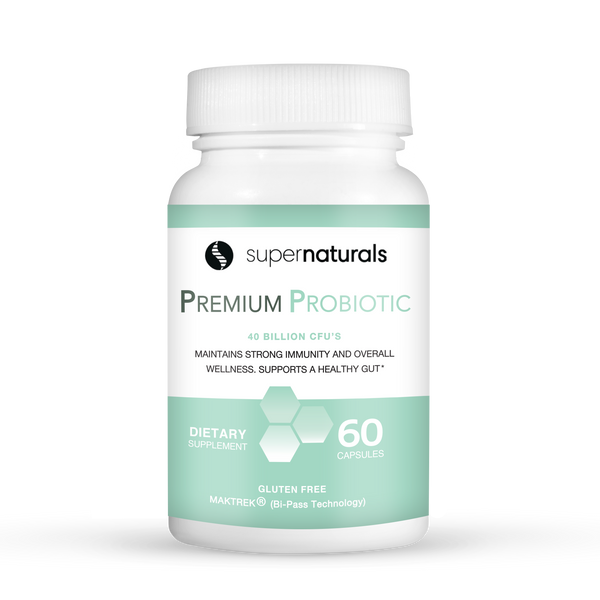
Probiotics are live microbes. According to the foundation, they may shift gut bacteria, gut movement, and pain sensitivity. Strain matters, so match it to your symptoms and follow the label dose. Give a probiotic four weeks. If it helps, continue for eight more.
Most adults eat about 15 to 16 grams of fiber daily. Health Canada recommends 25 to 38 grams. Psyllium is a gentle, soluble fiber with little fermentation. Start with half a teaspoon, drink plenty of water, and take it two hours apart from other medicines. Highly fermentable fibers, like inulin, can increase gas and bloating.
Peppermint Oil, Enzymes, and Magnesium for IBS Relief
Menthol in peppermint oil relaxes the smooth muscle in your gut. It also lowers nerve sensitivity, so pain feels less intense. Choose enteric-coated or slow-release capsules. Peppermint can worsen heartburn, so stop if reflux flares.
Digestive enzymes work best for occasional trigger meals. Take them with your first bites. Magnesium can soften stool for constipation-type IBS, but too much causes loose stools.
Stress and gut imbalance make every product harder to judge. If constant worry about bloating, gas, constipation, or unpredictable bathroom trips runs your day, IBSolution is a gentle, all-natural digestive support formula made to help your gut work the way it should so you can focus on living, not your digestion.
Why the Right IBS Supplement Matters
Knowing what the best supplement for IBS in your case is protects your budget and your daily routine. A wrong pick can backfire. Inulin-heavy prebiotics, for example, may add gas to an already sensitive gut. Supplements support your plan. They do not replace diet changes, stress care, or medical advice. See a doctor if you notice blood in stool, weight loss, fever, or severe pain.
FAQs
What Is the Best Supplement for IBS?
The best supplement matches your main symptom. Psyllium fiber suits constipation and loose stools, peppermint oil suits cramping, and select probiotics suit bloating. Talk to a doctor or dietitian before starting any option.
What Supplements Help Relieve IBS Symptoms?
Fiber, peppermint oil, probiotics, and digestive enzymes have the most support. Each targets different symptoms, so choose by what bothers you most. Prebiotics have weaker evidence and may worsen gas.
Is Probiotics a Good Supplement for IBS?
Yes, certain probiotic strains can help IBS pain, bloating, and bowel habits. Strain matters, so match it to your symptoms and follow the label dose. Give it four weeks before judging results.
What Is the Best Fiber Supplement for IBS?
Psyllium is a gentle, soluble fiber with good evidence for IBS. Partially hydrolyzed guar gum also works well. Start with half a teaspoon, increase slowly, and drink plenty of water.
Can Magnesium Supplements Help With IBS?
Magnesium can soften stool and ease constipation in some people with IBS. Too much causes loose stools and cramping. Check the dose with your doctor, especially if you have kidney problems.
Are Digestive Enzymes Helpful for IBS?
Yes, they can help with occasional trigger meals. Match the enzyme to the trigger, like lactase for dairy, and take it with your first bites. Needing one at every meal calls for a doctor visit.
What Vitamins Are Good for People With IBS?
No vitamin treats IBS directly. Doctors may test vitamin D and B12 levels if your diet is limited or symptoms linger. Fix any deficiency with medical guidance instead of guessing.
Can Peppermint Oil Supplements Help With IBS?
Yes, peppermint oil can reduce abdominal pain and bloating by relaxing gut muscles. Choose enteric-coated or slow-release capsules. It may worsen heartburn, so stop if reflux flares.
How Long Does It Take for IBS Supplements to Work?
Give most IBS supplements about four weeks of steady use. Probiotics follow this timeline, and fiber needs slow increases to avoid gas. Track your symptoms in a journal to see real progress.
Should You Take Supplements for IBS Every Day?
It depends on the supplement. Fiber and probiotics are usually taken daily for consistency. Digestive enzymes and peppermint oil are often used around trigger meals. Follow label directions and review your routine with a doctor.
Ready to give your gut steady support? Super Naturals Health creates gentle, all-natural digestive formulas for adults who want relief they can count on. Explore the range and find the right fit for your routine today.