Skip to content

Have you ever grabbed a bottle of vitamins just because the front label looked good? We have, and we learned to flip the bottle over. This guide to women's daily multivitamins shows you which nutrients matter most. We will go through it together, one label at a time.
Why Women Need Different Nutrients at Different Ages?
Your body does not need the same nutrients at every stage of life. A woman in her twenties loses iron each month. A woman past fifty needs more calcium and vitamin D to protect her bones. Picture a 34-year-old who rarely eats red meat. Iron may matter most to her. Now picture her 58-year-old mother. She needs less iron but more vitamin D and calcium.
Pregnancy changes the list again. This is why one bottle rarely fits everyone. We always look at age, diet, and life stage before we read a label. A multivitamin also has a clear job. It fills small gaps in your diet and does not replace real food.
The Key Nutrients to Look For
Here is what we check first on any label. Each nutrient has a job, so we explain it in plain words.
● Iron: Your blood needs iron to carry oxygen. Women ages 19 to 50 need about 18 mg a day. After 50, the need drops to about 8 mg, so some formulas leave iron out.
● Folate (vitamin B9): Folate helps your body make DNA and new cells. It also lowers the risk of neural tube defects early in pregnancy. Some labels list methylfolate, a form your body can use right away. Folic acid works well too.
● Vitamin D3: Vitamin D helps your body absorb calcium. It also supports your immune system. Most formulas use D3, which is a well-absorbed form.
● Calcium: Calcium builds strong bones and teeth. A multivitamin cannot hold the full daily amount because calcium is bulky. Check your diet and add a separate source if you fall short.
● B-complex vitamins: B vitamins help turn food into energy. They also support your nerves. B12 and B6 matter most for vegetarians, vegans, and women over 50.
● Magnesium: Magnesium supports your muscles, nerves, and bones. Multivitamins keep it low on purpose, so food matters here. Nuts, spinach, and beans are good choices.
● Zinc and vitamin C: Both support your immune system and protect your cells from daily wear. Zinc also helps wounds heal.
● Vitamin K: Vitamin K helps guide calcium into your bones. It also supports normal blood clotting.
How to Read a Multivitamin Label, Step by Step
A good label tells you a lot. Here is the process we follow every time.
Step 1: Look for Third-Party Testing
The U.S. Pharmacopeial Convention, or USP, is an independent nonprofit. It checks that a supplement is pure and matches what the label lists. Look for the real USP Verified seal. A label with only the letters “USP” does not count. NSF International also certifies supplements.
Step 2: Match the Amounts to Your Age and Sex
Needs shift with age, so pick a formula built for your stage. Women under 50 usually want iron in the mix. Women over 50 often do better without it. A men’s complete multivitamin follows different rules, since men need only about 8 mg of iron.
Step 3: Aim for About 100% of the Daily Value
Most nutrients work well near 100% of the daily value. More is not better. Vitamins A, D, E, and K can build up in your body and cause harm. Calcium and magnesium are the exceptions, since they stay low to keep the pill a swallowable size.
Step 4: Skip the Odd Extras
Some formulas add boron, nickel, or tin. These have no set daily value. We skip them and spend our money on the core nutrients instead.
Step 5: Think About Ingredient Sources
Some shoppers prefer an organic multivitamin for women made with whole food ingredients. Organic describes how the ingredients are grown. It does not mean the formula is stronger or safer. Check the amounts and the testing seal either way.
What a Daily Multivitamin Can and Cannot Do
A multivitamin supports your diet. It cannot fix a weak one. Large studies, including the Women’s Health Study, found no lower risk of heart attack or stroke from long-term use. That is a good reminder to stay realistic about what a pill can do.
American diets often fall short on fiber and potassium. A multivitamin has no fiber and only a little potassium. Beans, fruit, nuts, and whole grains fill that gap well. Talk with your doctor or a dietitian before you start. This matters most if you are pregnant, planning a pregnancy, or taking medicine. They can match the nutrients to your needs.
FAQs
What nutrients should women look for in a daily multivitamin?
Look for iron, folate, vitamin B12, vitamin D3, vitamin C, zinc, and vitamin K. Calcium and magnesium help too, though amounts are often low. Match the formula to your age and diet.
How much iron should a woman’s daily multivitamin contain?
Women ages 19 to 50 need about 18 mg daily. After 50, the need drops to 8 mg. Postmenopausal women often choose an iron-free formula. Ask your doctor before deciding.
Why are folate and vitamin B12 important in women’s multivitamins?
Folate supports cell growth and helps prevent neural tube defects in early pregnancy. B12 supports energy, nerves, and red blood cells. Vegans and older women often need extra B12.
How much vitamin D should women look for in a daily multivitamin?
Most women need 600 IU daily through age 70, and 800 IU after that. Choose D3 when you can. The safe upper limit is 4,000 IU from all sources.
Should a women’s multivitamin contain calcium and magnesium?
Yes, but expect modest amounts. Food or a separate supplement often fills the gap. Keep supplemental magnesium under 350 mg daily unless your doctor says otherwise.
Are vitamins A, C, and E important in a woman’s daily multivitamin?
Yes. They work as antioxidants. Vitamin C also helps you absorb iron. Vitamin A supports vision and skin, so choose beta carotene forms, especially during pregnancy.
Should women choose a multivitamin based on their age and life stage?
Yes. Iron needs fall after menopause, while calcium and B12 needs rise. Pregnancy raises folate and iron needs. Pick a formula built for your stage.
What should women check on a multivitamin Supplement Facts label?
Check the serving size, nutrient amounts, and % Daily Value. Look for a USP Verified or similar third-party seal. Also scan for allergens, added sugar, and extras with no daily value.
Is a women’s daily multivitamin necessary if you eat a balanced diet?
Not always. A balanced diet covers most needs. A multivitamin helps if you eat little, follow a vegan diet, are pregnant, or are over 50. Ask your doctor.
Can taking too many vitamins and minerals from supplements be harmful?
Yes. Vitamins A, D, E, and K can build up in your body. High iron and zinc can also cause harm. Follow the label dose and tell your doctor about every supplement.
Ready to Support Your Daily Nutritional Needs?
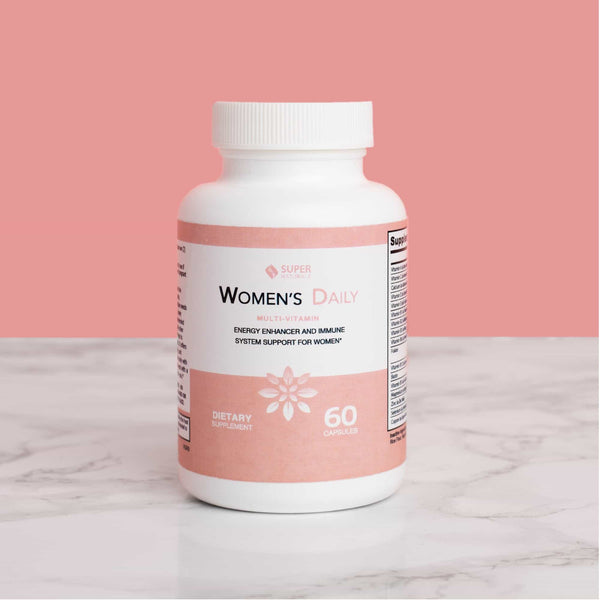
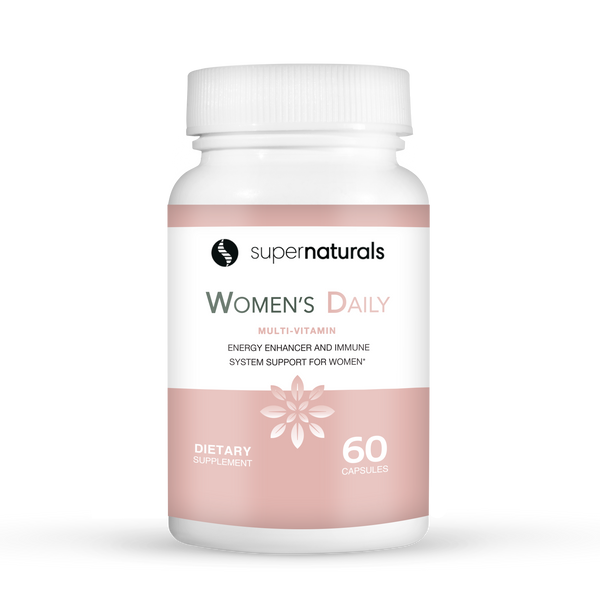
Choosing a daily multivitamin starts with understanding your nutritional needs and finding a formula that fits your routine. Super Naturals Women’s Daily Multi-Vitamin combines essential vitamins, minerals, antioxidants, and herbs to support women’s daily well-being, immune health, energy, and mental clarity. Explore the formula to see if it fits your daily nutrition goals. Discover Women’s Daily Multi-Vitamin.