Skip to content

Table of Contents
- Are Natural Supplements Clinically Tested?
- FDA Regulation of Dietary Supplements vs. Pharmaceutical Drugs
- Clinical Trial Requirements for Natural Ingredients
- Third-Party Supplement Testing and Certification
- How to Verify Supplement Quality
- The Role of Independent Laboratory Analysis
- Understanding Bioavailability and Dosage Concentration
- Frequently Asked Questions
Last Updated: September 28, 2026
Are Natural Supplements Clinically Tested?
Some natural supplements are clinically tested, but many are not. The regulatory framework differs fundamentally from how prescription drugs are evaluated. Understanding which supplements have undergone rigorous testing separates informed purchasing from wishful thinking.
Natural supplements clinically tested represents a smaller category than most people assume. Not every supplement on the shelf has passed a double-blind, placebo-controlled study. Those that have, combined with strict quality controls, deliver measurably better outcomes than untested alternatives.
A clinically tested supplement tells you something concrete about efficacy. An untested supplement might be safe, but you're operating on incomplete information. This guide shows you how to identify supplements that have undergone legitimate clinical trials and the verification methods that separate quality from marketing.
FDA Regulation of Dietary Supplements vs. Pharmaceutical Drugs
The FDA treats dietary supplements differently from pharmaceutical drugs, and this distinction shapes everything about how natural supplements clinically tested claims are evaluated. Understanding this regulatory divide is essential before you evaluate any supplement's credibility.
Pharmaceutical drugs must prove safety and efficacy before reaching the market. Dietary supplements operate under a different standard: the FDA assumes they're safe unless proven otherwise. Manufacturers don't need FDA approval before selling but are responsible for ensuring safety and truthful label claims.
The regulatory model is inverted. For pharmaceuticals: "Is this safe and effective?" For supplements: "Is this unsafe or making false claims?" The FDA can pull a supplement from the market if it finds evidence of harm or deceptive marketing, but that action happens after distribution.
The Dietary Supplement Health and Education Act (DSHEA)
DSHEA (1994) created the legal framework governing supplement manufacturing, labeling, and sales (the FDA). It requires supplement makers to follow Good Manufacturing Practices, ensuring appropriate controls for identity, purity, strength, and composition.
DSHEA prohibits drug claims. A supplement can claim to "support" heart health but not "treat" heart disease. A claim to "promote healthy digestion" is permitted; claiming to "cure IBS" violates DSHEA.
Manufacturers must notify the FDA about new dietary ingredients (the FDA). If the FDA doesn't object within 75 days, the ingredient can be used. This process moves faster than drug approval but still requires safety evidence.
Post-Market Surveillance and Adverse Event Reporting
After a supplement reaches the market, the FDA monitors it through post-market surveillance. Manufacturers must report serious adverse events within 15 days, creating a safety net to catch harm and trigger investigation.
Consumers, healthcare providers, and manufacturers can report problems to the FDA's MedWatch program. If a pattern emerges suggesting a supplement is unsafe, the FDA can take action. The agency has pulled supplements from the market based on adverse event data.
Adverse event reporting is imperfect. Not every problem gets reported, so post-market surveillance catches serious problems but may miss subtle or rare side effects.
Clinical Trial Requirements for Natural Ingredients
Clinical trials follow standardized protocols designed to eliminate bias and isolate the supplement's actual effect from placebo response and natural disease progression.
Natural supplements clinically tested through proper methodology undergo the same trials as pharmaceutical ingredients. The gold standard is the double-blind, placebo-controlled randomized controlled trial, where neither participants nor researchers know who receives the supplement (Checking your browser). This prevents expectation bias.
Double-Blind, Placebo-Controlled Studies
A double-blind study eliminates bias on both sides: participants don't know if they're receiving the supplement or placebo, and researchers can't unconsciously favor the treatment group.
Placebo-controlled means the supplement is tested against an inert substance. Many conditions improve on their own, and people feel better from study participation. Comparing the supplement group to the placebo group isolates the supplement's actual contribution.
Randomization ensures factors like age or health status don't systematically favor one group, so differences between groups are due to chance or the supplement itself.
Properly conducted trials cost hundreds of thousands of dollars and take months or years, explaining why many supplements lack this evidence, not because they're ineffective, but because manufacturers haven't invested in research.
Evidence-Based vs. Anecdotal Health Claims
Evidence-based claims rest on clinical trial data or peer-reviewed research. A claim must be supported by published research that other scientists can review and verify.
Anecdotal claims rest on individual stories. They're real experiences, but they're not evidence the supplement caused the improvement. Diet changes, stress reduction, or natural disease progression might explain the results.
Anecdotes signal something might be worth investigating, but they're not proof. A supplement with glowing reviews but no clinical trial data occupies uncertain territory.
Natural supplements clinically tested represent a higher standard. When a supplement has been through rigorous trials and published in peer-reviewed journals, you're working with actual evidence about its effects. This doesn't guarantee it will work for you personally, individual responses vary, but it means the manufacturer has invested in proving the claim.
Third-Party Supplement Testing and Certification
Third-party testing adds a layer of verification independent from the manufacturer. When a supplement is tested by an external laboratory, that lab checks whether the product actually contains what the label claims and whether it's free of contaminants. This protects consumers from both accidental errors and intentional fraud.
Third-party testing is voluntary. A supplement bearing a certification seal has been tested and met standards. The certification confirms the product is what it claims to be and is manufactured safely.
Third-Party Certification Standards
The Natural Product Association, NSF International, and USP (United States Pharmacopeia) conduct third-party testing and certification, verifying identity, strength, purity, and manufacturing practices.
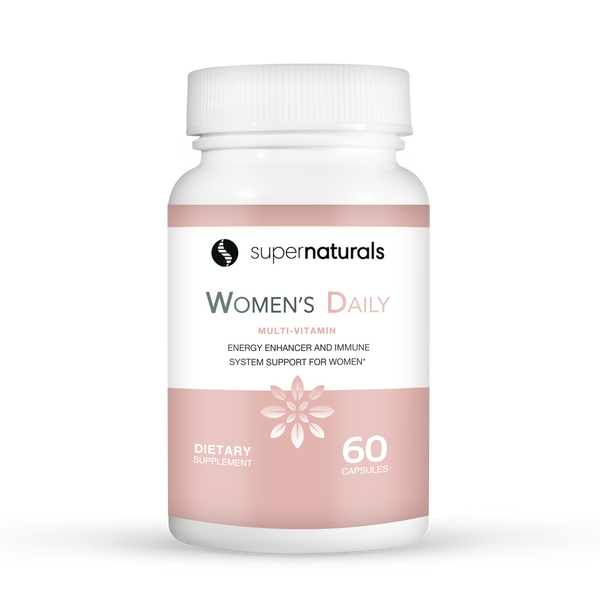
Super Naturals Health products are manufactured in an FDA-registered and NSF-certified facility and certified by the Natural Product Association, confirming independent verification of quality and label accuracy.
A third-party certification seal signals the manufacturer invested in verification and is confident in product quality. It verifies what's in the bottle, not whether it will work for your specific health issue, but it's a strong signal of quality and honesty.
Purity Testing and Contaminant Screening
Purity testing checks for harmful substances like heavy metals, bacteria, or pesticide residues. This is particularly important for supplements with botanical ingredients sourced internationally.
A supplement might contain the right active ingredient but still be unsafe if contaminated. Third-party labs test for heavy metals, microbial contaminants, and pesticide residues, verifying manufacturing and storage conditions.
How to Verify Supplement Quality
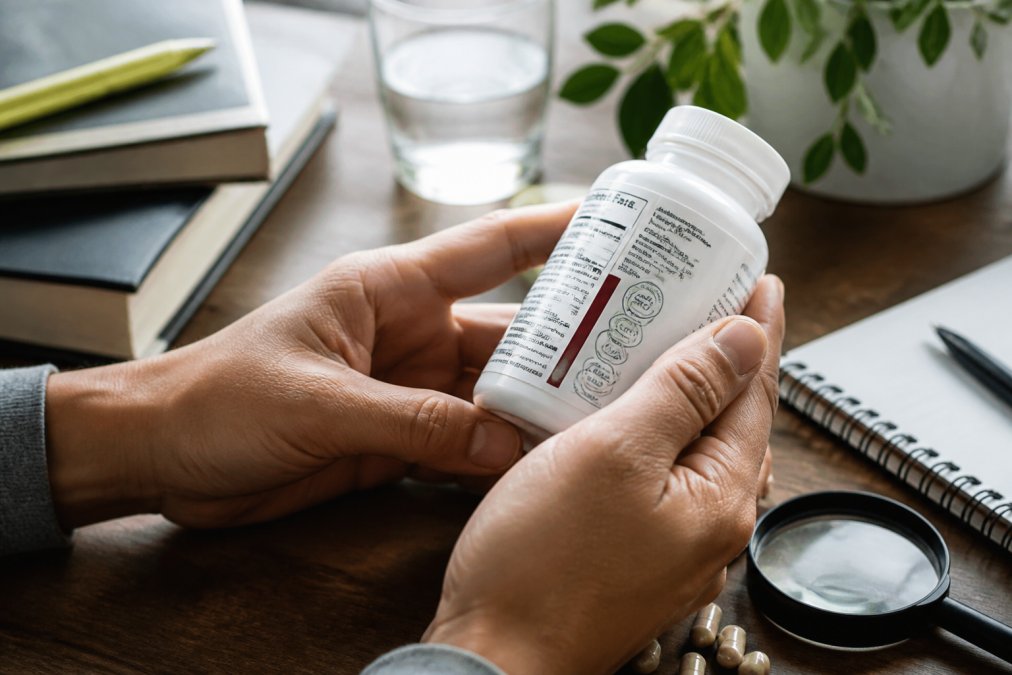
Start with the label. Look for "standardized extract" language, which indicates a guaranteed minimum percentage of the active compound. Standardized extracts tell you what you're actually getting.
Check the manufacturer information on the label. If it says "manufactured in an FDA-registered facility," verify this claim on the FDA's website.
Reading Labels and Understanding Standardized Extracts
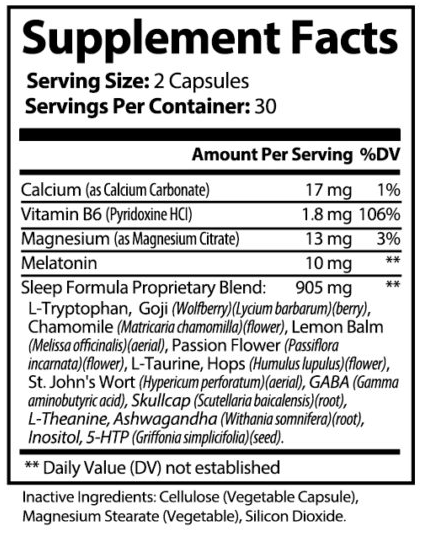
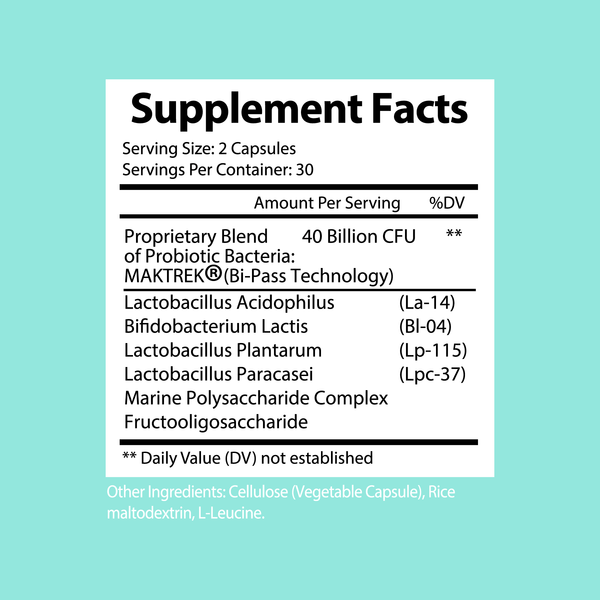
Supplement labels must include a supplement facts panel listing each ingredient and amount per serving. For herbal ingredients, look for standardized extract notation indicating a specific percentage of the active compound.
Checking for FDA-Registered Manufacturing Facilities
An FDA-registered facility doesn't mean the FDA approved the supplement. It means the facility is registered and subject to inspection, and must follow Good Manufacturing Practices.
The Role of Independent Laboratory Analysis
Independent laboratory analysis provides verification that goes beyond what the manufacturer claims. When a third-party lab analyzes a supplement, they're answering concrete questions: Does this product contain what the label claims? Is it free of contaminants? Is the active ingredient concentration consistent across batches?
| Verification Method | What It Confirms | Reliability |
|---|---|---|
| FDA-registered facility | Manufacturing standards are followed | High, subject to FDA inspection |
| Third-party certification | Identity, purity, and label accuracy | High, independent verification |
| Standardized extract notation | Active ingredient concentration | High, specific percentage guaranteed |
| Clinical trial data | Efficacy for specific condition | High, controlled research evidence |
| Adverse event reports | Safety monitoring post-market | Medium, depends on reporting |
Understanding Bioavailability and Dosage Concentration
Bioavailability determines how much of a supplement your body can actually absorb and use. A supplement might contain a high concentration of an active ingredient, but if your body can't absorb it efficiently, you won't experience the full benefit. This is where the science gets specific, and why dosage concentration matters beyond just the number on the label. Understanding this relationship between molecular structure and cellular uptake is essential for evaluating the efficacy of topical treatments, much like the principles applied when selecting science-backed skincare.
Frequently Asked Questions
Does the FDA require clinical trials for dietary supplements before they're sold?
The FDA does not require clinical trials before dietary supplements reach the market, unlike pharmaceutical drugs. However, manufacturers must ensure their products are safe and that any health claims are substantiated by competent and reliable scientific evidence. The FDA monitors supplements after they're sold through adverse event reporting systems and can take action if safety issues emerge. This post-market surveillance approach differs significantly from the pre-approval clinical trial requirements for prescription medications.
How can I tell if a natural supplement is scientifically backed?
Look for supplements with peer-reviewed research supporting their active ingredients. Check the product label for standardized extracts, which indicate consistent dosage of the active compound. Verify the manufacturer is in an FDA-registered facility and holds third-party certifications from organizations like NSF International or the Natural Product Association. These certifications confirm the product has undergone independent laboratory testing for purity and potency, ensuring what's on the label matches what's in the bottle.
What's the difference between a drug and a dietary supplement in terms of testing?
Pharmaceutical drugs must complete rigorous pre-market clinical trials demonstrating safety and efficacy before FDA approval. Dietary supplements don't require pre-market approval but must be manufactured in FDA-registered facilities following Good Manufacturing Practices. Supplement manufacturers are responsible for ensuring safety and substantiating claims with scientific evidence. The key difference is timing: drugs prove safety before sale, while supplements are monitored for safety after reaching consumers through adverse event reporting systems.
How do third-party testing and certification help verify supplement quality?
Third-party testing involves independent laboratories analyzing supplements for purity, potency, and contaminants without financial ties to the manufacturer. Certifications from NSF International, the Natural Product Association, or USP (United States Pharmacopeia) confirm the product meets strict quality standards. These independent verifications ensure the supplement contains the labeled active ingredients at the stated dosage and is free from harmful contaminants. This adds a layer of accountability beyond manufacturer claims and helps consumers identify truly clinically tested and verified products.