Skip to content

Your gut affects way more than digestion. It shapes your energy, your mood, and even how well you sleep. When something throws it off, like stress, antibiotics, or a run of fast food, you feel it fast. The good news is that a restore gut health supplement can work alongside simple daily habits to help your system bounce back. We'll walk through what actually helps, step by step, so you're not left guessing what to try first.
What Throws Your Gut Off Balance
Your gut is home to trillions of bacteria that work together to keep digestion smooth. When that balance tips, you might notice bloating, gas, or irregular bathroom habits. A few common causes include:
● Antibiotics: These wipe out bad bacteria, but good bacteria too.
● Chronic stress: Ongoing stress changes how your gut bacteria behave.
● Processed foods: Low fiber and high sugar feed the wrong bacteria.
● Poor sleep: Rest affects your gut just as much as your brain.
Knowing the cause helps you pick the right fix, whether that's food, habits, or supplements.

How Can You Restore Gut Health Naturally
Restoring your gut starts with small, steady changes rather than one big fix. Diet plays the biggest role, so start there first. Fill your plate with fiber-rich foods like vegetables, fruits, whole grains, and legumes. These feed the good bacteria in your gut and keep digestion moving. Add fermented foods like yogurt, kefir, sauerkraut, and kimchi, since they introduce fresh probiotics straight into your system.
Beyond food, movement matters too. Regular exercise supports digestion and helps reduce inflammation throughout your gut. Managing stress through sleep, walks, or quiet downtime also protects the balance of bacteria living inside you.
Best Supplements to Restore Gut Health
Food does a lot of the work, but supplements can fill in the gaps. Gut support supplements are built to target specific parts of digestion that food alone might miss.
Probiotics
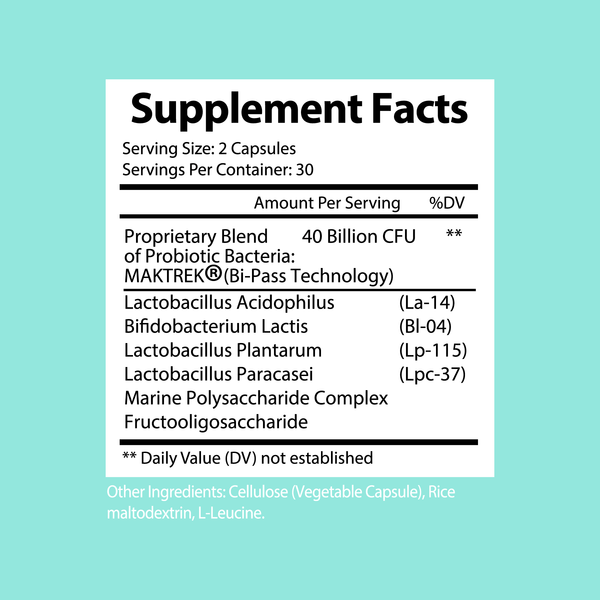
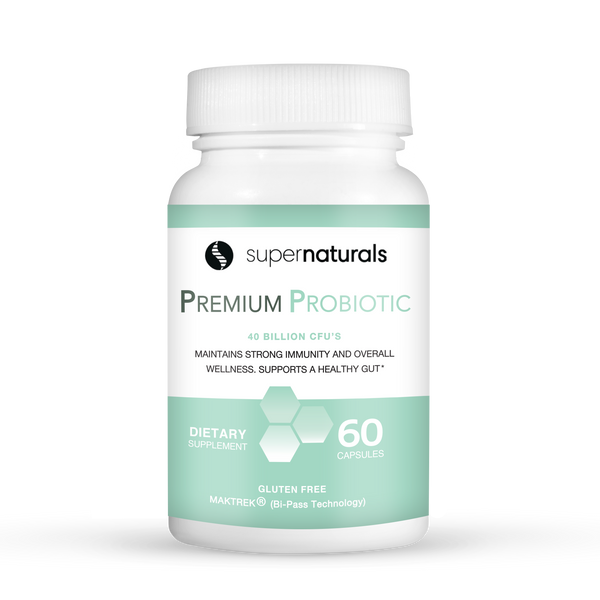
Probiotics add live, beneficial bacteria straight to your gut. They're especially useful after antibiotics, since they help refill the good bacteria that got wiped out. Look for a supplement with several different strains for broader support.
Prebiotics
Prebiotics are fibers that feed the probiotics already living in your gut. Think of them as fuel that helps good bacteria grow and stay active. Garlic, onions, and bananas are natural sources, but a supplement helps if your diet falls short.
Digestive Enzymes
If meals leave you feeling heavy or gassy, digestive enzymes can help break food down more completely. They work on carbs, protein, and fat, making digestion smoother overall.
Fiber Supplements
Most people don't get enough fiber from food alone. A fiber supplement helps keep things moving and feeds beneficial bacteria at the same time.
What Foods Can Help Restore a Healthy Gut
Certain foods actively repair and support your gut lining while feeding good bacteria. Fermented foods like yogurt, kefir, and kimchi bring in fresh probiotics. Prebiotic foods, including garlic, onions, and asparagus, feed the bacteria already there.
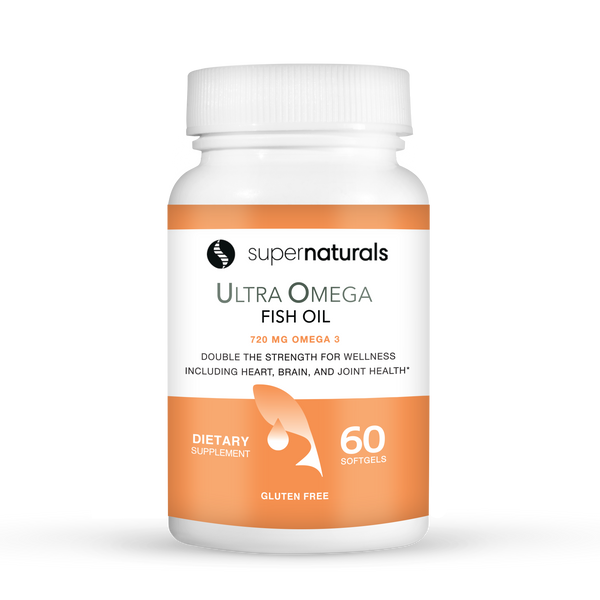
High-fiber foods like beans, oats, and leafy greens support regular digestion. Omega-3 sources like salmon and walnuts help calm inflammation in the gut. Together, these foods build a strong foundation that supplements can support, not replace.
Best Supplements for Gas and Bloating
Bloating and gas often point to slow digestion or an out-of-balance gut. Gas and bloating supplements usually combine a few key ingredients to tackle the problem from different angles.
Digestive enzymes help break food down before it ferments too much in your gut. Probiotics help correct the bacteria imbalance that often causes excess gas. Peppermint and ginger, found in some blends, can also calm digestive discomfort naturally.
Supplements for Constipation Relief
Constipation is uncomfortable, and it's often tied to low fiber or dehydration. Constipation relief supplements typically include fiber, magnesium, or targeted probiotic strains that support regular bowel movements.
Psyllium husk and other fiber sources add bulk and help stool move more easily. Staying hydrated alongside any fiber supplement is key, since fiber without enough water can make things worse instead of better.
How Long Does It Take to Restore Gut Health
Most people notice small improvements within a few weeks of consistent changes. Bigger, lasting shifts usually take a few months of steady effort. For more serious imbalances, it can take six months to a year with the right support. Patience matters here. Quick fixes rarely last, but steady habits build a gut that stays balanced over time.
Daily Habits That Support a Healthy Gut
A few simple habits go a long way toward keeping your gut steady:
● Eat a variety of plants: Different fibers feed different bacteria strains.
● Stay hydrated: Water supports digestion and helps fiber do its job.
● Move daily: Even a short walk supports healthy digestion.
● Sleep well: Poor sleep disrupts gut bacteria just like poor diet does.
● Limit processed foods: These feed the wrong bacteria over time.
When to Talk to a Doctor
If you notice ongoing pain, major changes in bowel habits, or blood in your stool, don't wait it out. These symptoms deserve a doctor's attention rather than a supplement alone. A healthcare provider can rule out deeper issues and guide you toward the right next step.
FAQs
How can you restore gut health naturally?
Focus on fiber-rich foods, fermented foods, regular movement, and good sleep. These daily habits help rebuild a balanced, healthy gut over time.
What are the best supplements to restore gut health?
Probiotics, prebiotics, digestive enzymes, and fiber supplements are the most effective. Together, they support bacteria balance and smoother digestion.
How do gut support supplements help digestive health?
They add helpful bacteria, feed existing good bacteria, or help break down food more completely, easing bloating and supporting regularity.
What foods can help restore a healthy gut?
Fermented foods, high-fiber vegetables, whole grains, and omega-3 sources all support gut repair and feed beneficial bacteria naturally.
Can probiotics and prebiotics help restore gut health?
Yes. Probiotics add good bacteria, while prebiotics feed them. Using both together often gives more complete, lasting support.
What are the best supplements for gas and bloating?
Digestive enzymes and probiotics are usually most effective. They help break down food and correct bacteria imbalances that cause bloating.
Can gut health supplements help with constipation?
Yes, especially fiber and certain probiotic strains. These support regular bowel movements when paired with enough water intake.
What are the best constipation relief supplements?
Fiber supplements like psyllium husk, along with magnesium and targeted probiotics, are common choices for easing constipation naturally.
How long does it take to restore gut health?
Small changes may show results in a few weeks. Full restoration often takes a few months of consistent habits and support.
What daily habits can support a healthy gut?
Eating varied plant foods, staying hydrated, moving daily, sleeping well, and limiting processed foods all support long-term gut balance.
Ready to Give Your Gut the Support It Deserves?
We have learned that restoring gut health isn't about one magic fix; it's about steady, everyday support. That's the whole idea behind Super Naturals Health: simple, quality supplements that fit into your routine without complicating it. If you're ready to start feeling more like yourself again, take a look at our gut health lineup and find what works for you.
This article is for informational purposes only and is not a substitute for professional medical advice. Please talk to a doctor or qualified healthcare provider before starting any new supplement, especially if you have an existing health condition or take medication.