Skip to content


Feeling backed up is no fun. You feel heavy and uncomfortable. You keep waiting for relief, and it never seems to come fast enough. If diet changes alone are not helping, high-fiber supplements for constipation are often the next smart step. They are simple, well-studied, and used by millions of people every day.
This guide walks through how fiber supplements work. You will learn which types help the most and what to watch for along the way. No confusing science talk, just clear answers.
Quick Answer: Best Fiber Supplements at a Glance
Psyllium husk is one of the most trusted options. It softens stool and eases constipation well. Methylcellulose and calcium polycarbophil are close runners-up. They tend to work well for people who find psyllium too gassy. Most people notice results within 1 to 3 days of consistent use.
Why Fiber Matters for Regular Bowel Movements?
Fiber comes in two forms: soluble and insoluble. Your gut needs both. Soluble fiber turns into a gel in your stomach. It slows digestion down. Insoluble fiber adds bulk to stool. It helps stool pass through your gut faster. Most Americans do not get enough fiber from food alone. Adults generally need between 22 and 38 grams a day. The exact amount depends on age and gender. Fiber supplements step in to help close that gap.
Top High-Fiber Supplements Worth Trying
So, what are the best high-fiber supplements for constipation? A few options stand out for their track record and ease of use.
Psyllium Husk
Psyllium is a plant seed known for its soluble fiber. It absorbs water and forms a gel. That gel softens stool and makes it easier to pass. You can mix the powder into water or add it to food.
Methylcellulose
Methylcellulose is a man-made fiber. It bulks up stool without fermenting in your gut. This means it tends to cause less gas than psyllium. That makes it a solid pick for sensitive stomachs.
Calcium Polycarbophil
This fiber supplement works a bit differently. It can firm up loose stool. It can also soften hard stool, depending on what your body needs. That flexibility makes it a popular all-around choice.
Acacia Fiber
Acacia fiber comes from the sap of the acacia tree. Research shows it can ease constipation. This is especially true for people with irritable bowel syndrome. It also tends to be gentle on digestion.
| Supplement | Fiber Type | Best For | Gas Risk |
|---|---|---|---|
| Psyllium Husk | Soluble | General constipation relief | Moderate |
| Methylcellulose | Soluble | Sensitive stomachs | Low |
| Calcium Polycarbophil | Soluble | Both hard and loose stool | Low |
| Acacia Fiber | Soluble | IBS-related constipation | Low |
How Fiber Keeps You Regular?
Fiber supplements work in a pretty simple way. Soluble fiber pulls water into your gut. This softens stool and makes it bulkier. That extra bulk presses against your gut walls. This triggers the muscle movement that pushes stool along. Without enough water, fiber can backfire. It can make stool harder instead of softer. Pairing your fiber supplement with plenty of fluids matters just as much as the fiber itself.
What Is the Fastest Way to Soften Stool Naturally?
If you are asking what the fastest way to soften stool naturally is, a mix of fiber, water, and movement tends to work fastest. Prunes and prune juice can also speed things along. They contain a natural sugar that pulls water into the gut. Most fiber supplements need a day or two to show full results. Pairing them with these habits helps close the gap.
Fiber vs. Magnesium: Which Works Better for Constipation?
People often wonder which supplement works better, fiber or magnesium, for constipation? The honest answer is that it depends on your body and your timeline.
Magnesium tends to act faster, sometimes within hours. It pulls water into the gut and relaxes intestinal muscles. Fiber works more slowly, building bulk and training your gut toward steady, long-term regularity. A lot of people use both together, leaning on magnesium for quick relief and fiber for daily maintenance.
Are Fiber Supplements Safe Long Term?
A common concern is whether fiber supplements safe long term use is actually fine for your body. For most healthy adults, yes. Daily fiber supplements are considered safe for ongoing use. Doctors often recommend them as a first step before trying stronger treatments.
That said, it is smart to start with a low dose. Build up slowly from there. This gives your gut time to adjust. It also lowers your risk of side effects.
Possible Side Effects to Know Before You Start
Fiber supplements are gentle for most people. Still, side effects can happen. A few things to watch for:
● Gas or bloating, especially in the first week
● Stomach cramping if fiber is added too quickly
● Reduced absorption of certain medications if taken too close together
● Rare allergic reactions to psyllium in sensitive individuals
Starting slow and drinking enough water helps prevent most of these issues.
Timing Tips for Taking Fiber Supplements
Timing can affect how well your fiber supplement works. A lot of people find mornings work best. It gives fiber time to move through your system during the day. Others prefer taking it with dinner, so it works overnight. The most important rule is staying consistent. Taking your supplement at the same time each day helps your gut build a steady rhythm. Just space it two hours apart from any medications, since fiber can affect how well your body absorbs them.
Building a Complete Gut Health Routine
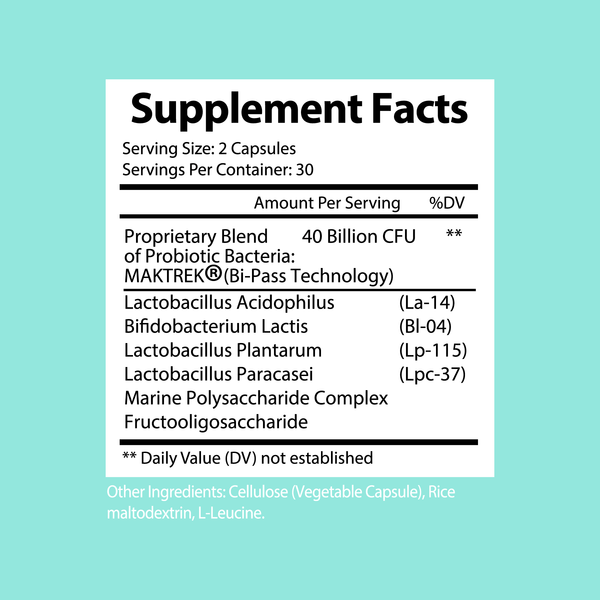
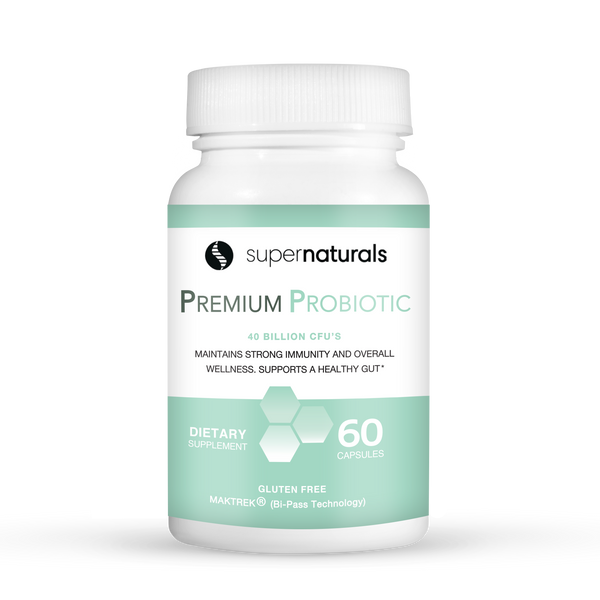
Fiber is a strong start. It works even better alongside other natural supplements for digestive health, like probiotics and magnesium. A well-rounded gut support supplements routine often includes fiber, probiotics, and magnesium. This combo helps on those occasional tough days.
Gut health natural supplements like these work together, not against each other. Fiber feeds good bacteria. Probiotics keep your gut bacteria balanced. Magnesium supports muscle movement in your gut. Together, they cover more ground than one supplement alone.
What Supplements Improve Digestive Health Naturally?
If you are wondering what supplements improve digestive health naturally, look beyond fiber alone. Probiotics restore healthy bacteria. Digestive enzymes help break down food. Magnesium supports muscle function in your gut. Add in water and movement. These nutritional supplements for gut health build a routine that supports steady digestion, not just quick fixes.
Finding Fiber and Gut Supplements in Florida
If you are shopping for high-fiber supplements for constipation in Florida, you have plenty of options. Local pharmacies and health stores across the state carry trusted brands. Online ordering makes it simple to compare choices from home. Whether you live in Tampa, Jacksonville, or Fort Lauderdale, constipation supplements near you are easy to find. They are even easier to get shipped to your door.
Bringing It All Together
Constipation is frustrating, but it does not have to run your life. The right high-fiber supplements for constipation, paired with water, movement, and steady support, can bring real and lasting relief. Start slow, stay consistent, and give your body time to adjust. Your gut will thank you for it.
FAQs
What are the best high-fiber supplements for constipation?
Psyllium husk, methylcellulose, calcium polycarbophil, and acacia fiber are the most trusted picks. They are also the most widely used.
How do fiber supplements help improve bowel movements?
They add bulk and pull water into your stool. This makes stool softer and easier for your body to pass.
Can fiber supplements fix irregular bowel movements?
Yes, for many people. Regular use helps train your gut toward a steadier, more predictable bathroom routine over time.
What is the best combination of supplements for digestive health?
Fiber, a probiotic, and magnesium together often cover the most ground. This trio supports steady, well-rounded digestive health.
When is the best time to take fiber supplements?
Mornings or evenings both work well. What matters most is taking your supplement at the same time every day.
What are the side effects of high-fiber supplements?
Mild gas, bloating, or cramping is most common, especially early on. Starting slow with plenty of water helps prevent this.
Are gut health natural supplements effective?
Yes. A lot of people see real gains in digestion and regularity, especially when paired with good daily habits.
Which nutritional supplements improve gut health the most?
Fiber, probiotics, and magnesium tend to offer the most noticeable and well-supported benefits for everyday gut health.
Where can I buy constipation supplements near me?
Most pharmacies, grocery stores, and health shops carry fiber and gut supplements, and online options offer fast delivery too.
What is the best fiber supplement near me for constipation relief?
Psyllium husk is widely available. It is a reliable first choice, though local stores may also carry methylcellulose and other picks.
Ready to Support Your Gut the Natural Way?
We know how frustrating it feels when your body will not cooperate. At Super Naturals Health, we build our formulas around real, natural ingredients like psyllium and ginger. Our goal is steady digestion, not a long list of things you cannot pronounce. If you are ready to feel like yourself again, we would love for you to give it a try.
This article is for informational purposes only and is not a substitute for professional medical advice. Please talk to a doctor or qualified healthcare provider before starting any new supplement, especially if you have an existing health condition or take medication.