Skip to content

Table of Contents
- Why You Bloat After Eating: Common Triggers
- Step 1: Slow Down and Chew Thoroughly
- Step 2: Adjust Your Meal Pacing and Hydration
- Step 3: Try Post-Meal Positioning and Gentle Walking
- Step 4: Best Supplements for Bloating Relief
- Step 5: Lifestyle Changes to Reduce Gas and Bloating
- Step 6: How to Stop Bloating After Eating When Stress Is the Trigger
- Step 7: When to See a Doctor for Persistent Bloating
- Frequently Asked Questions
Last Updated: September 19, 2026
Why You Bloat After Eating: Common Triggers
Learning how to stop bloating after eating starts with understanding why it happens. Bloating is a feeling of fullness or pressure in your stomach, often caused by gas trapped in your digestive system. The good news: most bloating after meals comes from habits you can change. At Super Naturals Health, we've observed common triggers for digestive discomfort.
The two biggest culprits are swallowed air and hard-to-digest foods. Let's break down each one.
Swallowed Air and Eating Habits
Aerophagia is the medical term for swallowing air, and it's more common than most people realize. You swallow air when you eat fast, drink through a straw, chew gum, or talk while eating. That air builds up in your gastrointestinal tract and has to go somewhere.
Common habits that increase swallowed air:
- Eating too quickly or on the go
- Drinking from straws or bottles
- Chewing gum throughout the day
- Carbonated beverages at every meal
- Talking while chewing
Foods That Cause Bloating
Some foods are simply harder for your gut to break down. Foods that cause bloating include beans, lentils, broccoli, cabbage, onions, and dairy. These contain fermentable carbohydrates like FODMAPs that ferment in your colon and produce gas.
Other common bloating triggers:
- Artificial sweeteners like sorbitol and xylitol
- High-fat meals that slow gastric emptying
- Excess sodium from processed foods
- Alcohol and caffeine
Step 1: Slow Down and Chew Thoroughly
Chewing thoroughly is the fastest fix for most people. Aim for 20 to 30 chews per bite. This breaks food into smaller pieces so your digestive system has less work to do.
Slow eating also reduces swallowing air, which is a major cause of abdominal distension. Try putting your fork down between bites. Set a timer for 20 minutes and see how much slower you eat.
A common mistake is drinking large gulps of water to "wash down" food. Take small sips instead.
Step 2: Adjust Your Meal Pacing and Hydration
Meal pacing matters as much as what you eat. Try eating smaller meals more often instead of two or three large ones. Your gut handles smaller loads better.
Hydration helps gut motility and moves gas through your system. Aim for water between meals, not just during them. Too much liquid with food can dilute digestive enzymes.
Skip carbonated beverages during meals.
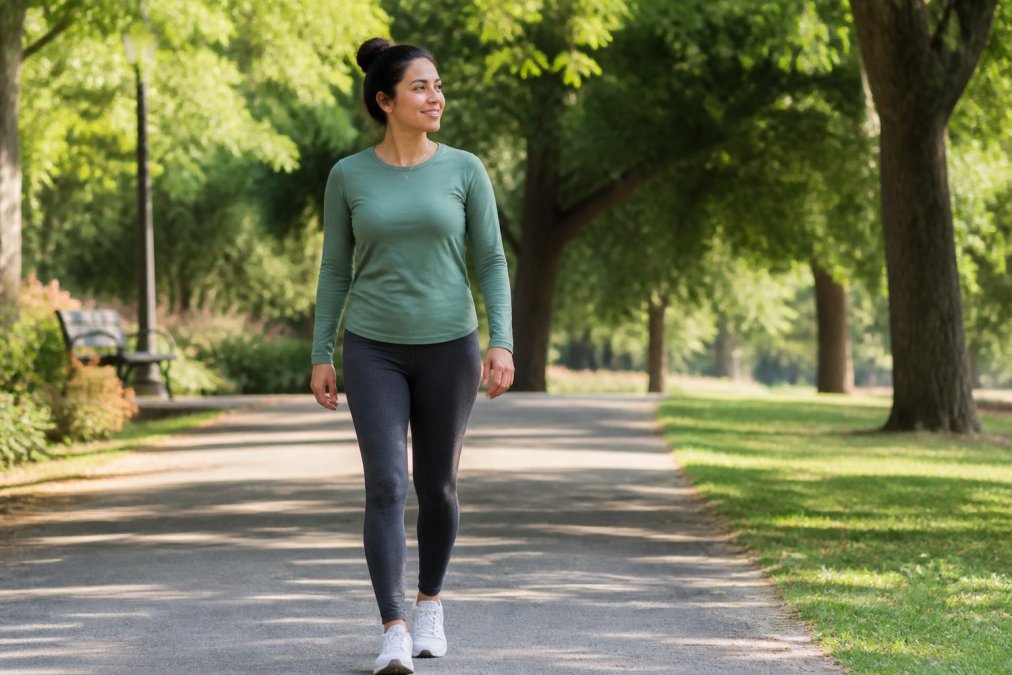
Step 3: Try Post-Meal Positioning and Gentle Walking
Your posture after eating affects how well food moves through your gastrointestinal tract. Sitting upright or standing for 20 to 30 minutes after a meal helps gravity do its job and keeps your stomach from compressing against your diaphragm.
Why Position Matters More Than Most People Think
The stomach sits on the upper-left side of your abdomen, and the pyloric valve, the gateway between your stomach and small intestine, opens toward the right. Lying on your left side keeps the stomach above the pyloric opening, so gravity helps liquid and gas move downward instead of pooling. Lying on your right side does the opposite and can slow gastric emptying.
A Simple Post-Meal Sequence
- Minutes 0-5: Stay seated or standing. Don't slump or recline.
- Minutes 5-20: Take a slow walk, indoors is fine if weather is bad. Aim for a pace where you can still hold a conversation.
- Minutes 20-40: If you need to rest, lie on your left side with your upper body slightly raised.
- Avoid: Tight waistbands, bending over to tie shoes, or lying flat on your back within 30 minutes of eating.
Positions That Make Bloating Worse
- Slouching in a recliner compresses the abdomen and traps gas.
- Lying flat on your back right after eating can push stomach contents upward.
- Right-side lying works against the natural curve of the stomach and can slow emptying.
- Sitting hunched over a phone or laptop for 30+ minutes after a meal keeps pressure on the gut.
Step 4: Best Supplements for Bloating Relief
The best supplements for bloating relief target the specific cause of your discomfort. Digestive enzymes help break down proteins, fats, and carbs before they ferment. Probiotics support a balanced gut microbiome.
Look for these ingredients:
- Alpha galactosidase for beans and vegetables
- Lactase for dairy
- Bromelain and papain for protein
- Psyllium for fiber intake and regularity
Step 5: Lifestyle Changes to Reduce Gas and Bloating
Lifestyle changes to reduce gas and bloating work best when you stack them. One change rarely fixes everything. Here's what matters most:
- Fiber intake: Add fiber slowly over weeks, not days. Sudden fiber spikes cause gas.
- Physical activity: Regular movement keeps your gut moving.
- Chewing thoroughly: Slow down at every meal.
- Hydration: Drink water throughout the day.
- Meal pacing: Eat on a schedule, not in a rush.
| Trigger | Quick Fix | Long-Term Change |
|---|---|---|
| Eating too fast | Chew 20-30 times per bite | Set 20-minute meal timer |
| Carbonated drinks | Swap for still water | Cut soda at meals |
| Low fiber | Add psyllium slowly | Build fiber over weeks |
| No movement after meals | 10-minute walk | Daily post-meal routine |
| High-FODMAP foods | Smaller portions | Try an elimination diet |
Step 6: How to Stop Bloating After Eating When Stress Is the Trigger
Stress and digestion are directly linked through the gut-brain axis, a two-way communication network between your central nervous system and your enteric nervous system, the web of neurons lining your digestive tract. When you're stressed, your body releases cortisol and adrenaline, which divert blood flow and energy away from digestion and toward your muscles and brain. The result: slower gastric emptying, reduced enzyme output, and a gut that's more sensitive to normal gas volumes.
Signs Stress Is Your Trigger
- Bloating that appears even with safe foods
- Symptoms that flare during busy weeks or after poor sleep
- Discomfort that starts before you finish eating
- Bloating that comes with a tight chest, jaw tension, or shallow breathing
- Symptoms that improve on vacation but return at home
A Before-Meal Reset That Takes 90 Seconds
- Box breathing: Inhale for 4 counts, hold for 4, exhale for 4, hold for 4. Repeat 4 times.
- Unclench: Drop your shoulders, unclench your jaw, and rest your hands flat on the table.
- First bite rule: Put your fork down after the first bite and finish chewing before picking it up again.
- Screen break: Eat away from your desk, phone, or TV for at least the first 5 minutes.
Daily Habits That Calm the Gut-Brain Axis
- Consistent meal times train your gut to expect food and prepare enzymes in advance.
- 7-9 hours of sleep, poor sleep raises cortisol and worsens next-day bloating.
- 10 minutes of walking after meals doubles as stress relief and motility support.
- Caffeine timing, a cup of coffee on an empty, stressed stomach can trigger indigestion and cramping.
- A two-week symptom journal that logs stress level alongside food helps you see whether the trigger is the meal or the mood.
A 2026 review from Johns Hopkins Medicine on the gut-brain connection explains how stress signals travel between the gut and brain. Managing stress is often the missing piece for people who've tried every diet change.
Step 7: When to See a Doctor for Persistent Bloating
See a doctor if bloating lasts more than a few weeks, comes with weight loss, or causes severe pain. These can signal conditions that need medical care, not just diet tweaks.
Red flags to watch for:
- Blood in your stool
- Unexplained weight loss
- Vomiting or severe pain
- Bloating that doesn't improve with diet changes
- Symptoms that wake you at night
Frequently Asked Questions
What reduces bloating fast?
Gentle walking for 10 to 15 minutes after a meal helps move gas through the digestive tract. Peppermint or ginger tea can calm the stomach, and avoiding carbonated beverages prevents added gas. If bloating is tied to hard-to-digest foods, an enzyme supplement containing alpha galactosidase or lactase may help break them down. Papain, found in Digest Plus, supports constipation and bloating and aids protein breakdown. Most people notice relief within 30 to 60 minutes when they combine movement with removing the trigger food.
Why do I bloat extremely after eating?
Extreme bloating after eating usually points to one of four causes: swallowed air from eating too fast, fermentable carbohydrates (FODMAPs) that gut bacteria break down into gas, a food intolerance such as lactose, or slowed gastric emptying. Stress can worsen all of these through the gut-brain axis. Keeping a food and symptom log for two weeks helps you spot the pattern, whether it is a specific food, a meal size, or a stressful day.
How long does it take for bloating supplements to work?
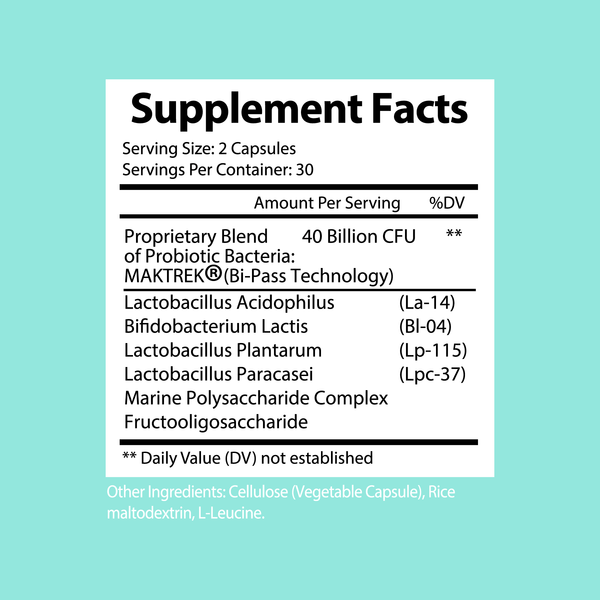
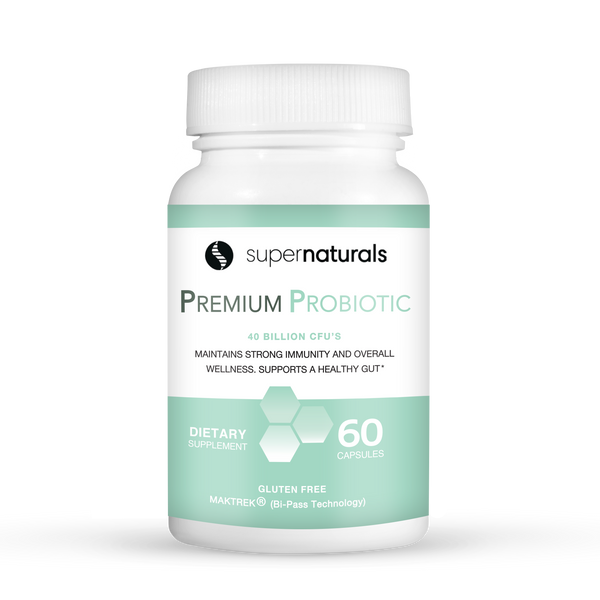
Digestive enzyme supplements like Digest Plus work within the same meal, helping your body break down proteins, fats, carbohydrates, and dairy as you eat. Probiotic formulas such as IBSolution and Premium Probiotics take longer because they support the gut's bacterial balance over time. Individual results may vary, but consistent use as directed is recommended. Take them as directed, once in the morning and once in the evening for the gut health bundles.
When should I see a doctor for persistent bloating?
See a doctor if bloating lasts more than a few weeks, comes with unexplained weight loss, blood in your stool, fever, vomiting, or severe pain. These signs can indicate conditions that need medical evaluation, not self-treatment. Also talk to your doctor if bloating starts after a new medication, since some prescriptions list bloating and gas as side effects. For everyday bloating tied to diet and eating habits, the steps above and natural supplements can support your comfort while you wait for your appointment.