Skip to content

For years, probiotics and high-fiber diets stole the spotlight in the gut health world. They are still the building blocks of a happy tummy. But a new, heavy-hitting mineral is crashing the party. Magnesium is quickly becoming the real MVP in modern wellness routines. You see it in viral health trends on social media. You read about it in top-tier medical journals. Magnesium is the missing puzzle piece for modern digestive care. But why is this common mineral suddenly on everyone's nightstand?
The answer comes down to how our cells work. Magnesium handles over 300 different jobs in your body. A huge chunk of those jobs directly impacts your gut. They control how you digest food, deal with stress, and get rid of waste. Have you been battling bloating, unpredictable bathroom trips, or stress-related stomach aches? Getting a grip on magnesium could be a total game-changer for you.
Here is the lowdown on why magnesium is blowing up in gut health routines. This guide breaks down the science, keeps it real, and gives you the tools to upgrade your daily habits.
How Does Magnesium Actually Help Your Gut?
To understand why magnesium is so popular, we need to look under the hood. Magnesium works its magic on your gut in three major ways.
1. Gets Things Moving and Keeps You Regular
The fastest and most obvious perk of magnesium is how it fights constipation. Your digestive tract is lined with smooth muscles. These muscles squeeze and relax in a wave-like rhythm. Doctors call this peristalsis. This wave pushes food and waste through your body.
Magnesium acts as a natural muscle relaxer. If you run low on magnesium, your gut muscles can cramp up. They get too stiff. This slows everything down and blocks you up.
Also, certain types of magnesium work as an "osmotic laxative." That is a fancy way of saying they pull water from your body into your gut. This rush of water softens your stool. It pumps up the volume and gets your bowels moving. You pass waste easily without the nasty cramps that come with chemical laxatives.
2. Calms the Gut-Brain Connection
You have definitely heard the idiom "trust your gut." People say this because your gut and your brain talk to each other all day long. They use the vagus nerve to chat. Experts call this the gut-brain axis.
When you freak out or stress out, your body hits the panic button. It pumps out cortisol and slams the brakes on digestion. This "fight or flight" stress response triggers a lot of gut issues. It causes irritable bowel syndrome (IBS), extreme bloating, and bad indigestion.
Think of magnesium as nature's ultimate chill pill. It helps control brain chemicals. It binds to calming receptors in your brain. This quiets down your nervous system's panic alarms. Magnesium shifts your body back into a "rest and digest" mode. By doing this, it stops stress from wrecking your stomach in the first place.
3. Builds a Better Bug Habitat
New science shows a super cool link between magnesium and your gut bugs. We call these bugs the gut microbiome.
When your digestion moves at a snail's pace, waste just sits in your colon. This creates a perfect breeding ground for bad bacteria. Too much bad bacteria can lead to nasty conditions like SIBO (Small Intestinal Bacterial Overgrowth).
Magnesium keeps the traffic flowing. It stops waste from getting stuck. On top of that, studies show enough magnesium helps grow good bacteria. It specifically boosts the bugs that make short-chain fatty acids. These fatty acids are super important. They keep your gut lining strong and stop "leaky gut" in its tracks.
Picking the Right Magnesium for You
Don't just grab the first bottle you see. Not all magnesium supplements are the same. Magnesium needs a "carrier" molecule to stay stable in a pill. That carrier decides how your body absorbs it. It also decides how it hits your stomach.
If you want to level up your gut health, you must pick the right match. Check out this quick table to find the best magnesium for your needs.
Magnesium Match-Up: Gut Health Edition
|
Type of Magnesium |
How Well You Absorb It |
Main Gut Benefit |
What to Watch Out For |
Best Used For |
|
Magnesium Citrate |
High |
Pulls water into your gut to clear you out. |
Can cause loose stools if you take too much. |
Fixing stubborn or occasional constipation. |
|
Magnesium Glycinate |
Very High |
Calms the nervous system to soothe the gut-brain axis. |
Super gentle on the stomach. Rarely causes diarrhea. |
Fighting stress-induced IBS, anxiety, and bad sleep. |
|
Magnesium Oxide |
Low |
Pulls tons of water into the gut because cells reject it. |
High risk of cramping, urgency, and the runs. |
Quick, short-term relief for really bad constipation. |
|
Magnesium Threonate |
High |
Crosses into the brain to clear brain fog and lower stress. |
Barely does anything directly affect your bowel movements. |
Easing severe chronic stress that hurts digestion. |
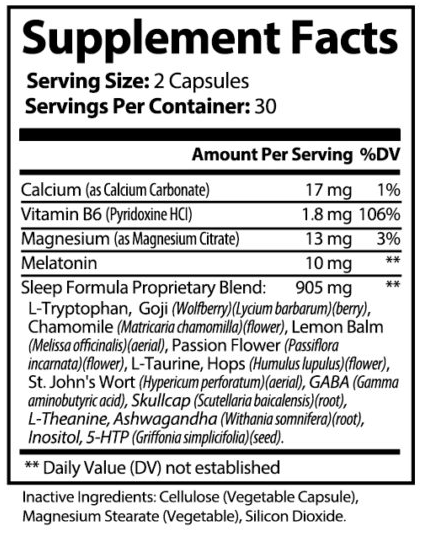
Pro tip: For a daily gut health routine, many folks mix Magnesium Citrate (to keep things moving) with Magnesium Glycinate (to chill out).
Spotting a Magnesium Shortage in Your Gut
Health pros say a huge chunk of us fall short on magnesium. Modern farming strips our soil of minerals. You can barely eat enough food to hit your daily goals anymore.
You might be running on empty if your gut shows these red flags:
● Always Backed Up: You poop fewer than three times a week. Your stool looks like hard, dry little pebbles.
● Balloon Belly: You deal with constant bloating and gas. Slow digestion lets old food ferment in your gut.
● Heartburn and Reflux: A muscle flap separates your stomach from your throat. Low magnesium makes it twitch, letting acid sneak up.
● Stress Tummy: You get tight knots in your stomach when life gets crazy.
Pro Tips for Your Magnesium Routine
Ready to jump on the magnesium bandwagon? When and how you take it make all the difference. Follow these rules to get it right.
Timing is Everything: Take your magnesium about 30 to 60 minutes before hitting the hay. Magnesium relaxes you, so it helps you fall asleep faster. If you take Magnesium Citrate at night, it does the heavy lifting while you snooze. You usually wake up ready for an easy, smooth bathroom trip.
Drink Up: You absolutely must drink more water. Magnesium pulls water out of your body and dumps it into your colon. If you skimp on water, you will dry out. That actually makes your constipation worse.
Start Low and Go Slow: Most adults need around 310 to 420 mg a day. When you start a pill, take a small dose first (like 150 mg). Slowly bump it up over a few weeks. This lets your gut get used to it. It also saves you from the dreaded "disaster pants" that happen if you shock your system.
Watch Out for Side Effects
Magnesium is super safe, but you can definitely overdo it. The most common signs you took too much are diarrhea, feeling sick to your stomach, and cramping. If that happens, just back off your dose. Or swap to a gentler type like Magnesium Glycinate.
Also, a quick warning. If you have kidney problems, talk to your doctor first. Your kidneys filter out extra magnesium. You do not want to overload them. Magnesium can also mess with some meds, like antibiotics or heart pills. Always play it safe and loop your doctor in before starting something new.
The Bottom Line
Magnesium is not just another passing internet fad. It is a science-backed tool for real, full-body wellness. It fixes the physical side of digestion by relaxing muscles and softening stool. It also fixes the mental side by putting a lid on stress and anxiety.
Whether you load up your plate with spinach or pop a quality supplement, this mineral gets the job done. Making magnesium a VIP in your daily routine is a smart, simple way to keep your gut happy and healthy.