Skip to content

Have you ever felt bloated after a meal and had no idea why? Or maybe your stomach just feels off, and you cannot figure out what is going on? A lot of people reach for a gut health supplement without really knowing what they are buying. Digestive enzymes and probiotics are two of the most popular options out there. They both help your gut, but they do completely different jobs. Let's break it down in a way that actually makes sense.
What Are Digestive Enzymes?
Your body already makes digestive enzymes on its own. Pretty cool, right? They are special proteins that break your food into tiny pieces. Your body cannot absorb a whole piece of chicken or a slice of bread. It needs those foods broken down into much smaller parts first. That is exactly what enzymes do.
They get to work fast. They start in your mouth the second you begin chewing, then keep going through your stomach and small intestine. When your body does not make enough enzymes, food sits in your gut only half broken down. That causes gas, bloating, and that heavy uncomfortable feeling after meals.
Here are the four main digestive enzymes and what they each do:
|
Enzyme |
Breaks Down |
Found In |
|
Amylase |
Carbs like bread and pasta |
Saliva and pancreas |
|
Lipase |
Fats like oil and nuts |
Pancreas |
|
Protease |
Protein like meat and eggs |
Pancreas |
|
Lactase |
Lactose in dairy products |
Small intestine |
If your body is not making enough of one of these, a digestive enzyme supplement can help fill that gap.
What Are Probiotics?
Probiotics are totally different from enzymes. They are not proteins. They are actually living bacteria and yeast that live inside your gut. That might sound a little strange. But your gut is home to trillions of tiny bacteria, and most of them are good for you. They help you digest food, fight off illness, and even affect how you feel each day.
When that bacteria gets thrown off balance, things go wrong. You start getting irregular bathroom habits, constant bloating, low energy, and a gut that just does not feel right. Probiotics help bring that balance back. You can get them from foods like yogurt, kefir, and kimchi. You can also take them as a daily supplement.
Digestive Enzymes vs Probiotics: Key Differences Explained
Here is a simple side-by-side look at how these two compare:
|
Feature |
Digestive Enzymes |
Probiotics |
|
What they are |
Non-living proteins |
Living bacteria and yeast |
|
Where they work |
Upper gut: mouth, stomach, small intestine |
Lower gut: large intestine |
|
Primary job |
Break food into smaller, absorbable pieces |
Keep your gut bacteria balanced |
|
How fast they work |
Right away, during your meal |
Slowly, over days and weeks |
|
When to take |
Right before or at the start of a meal |
Every day, around the same time |
|
Best for |
Food sensitivities, bloating after specific foods |
Irregular bowels, post-antibiotic recovery, IBS support |
|
How long effects last |
Short-term, meal by meal |
Long-term with daily use |
|
Found naturally in |
Made by your own body |
Yogurt, kefir, kimchi |
|
Can you take both? |
Yes, they work even better as a team |
Yes, safe to combine |
|
Who should be careful |
People with ulcers or on blood thinners |
People with very weak immune systems |
So, Which One Do You Need?
This is the big question. The answer depends on what your gut is actually doing.
Choose Digestive Enzymes If You:
● Feel bloated or gassy after eating certain foods every time
● See undigested food in your stool
● Have been told you are lactose intolerant
● Feel heavy and uncomfortable after eating fatty or protein-rich meals
Take enzyme supplements right before your meal or at the very start. They need to be active when food hits your digestive tract.
● Have unpredictable bathroom habits that swing between constipation and diarrhea
● Just finished a round of antibiotics, which can wipe out good gut bacteria
● Feel bloated even when you have not eaten anything that normally bothers you
● Deal with gut discomfort that is hard to explain or pin down
● Get sick more often than you feel like you should
● Want daily IBS support as part of a bigger gut care routine
Probiotics are not a treatment or cure for IBS. But they are widely used as a supplement for IBS support, especially when paired with healthy eating and other gut-friendly habits.
● Tried one and only felt a little better
● Have issues in both your upper and lower gut
● Want stronger, all-around gut support every day
Using both together actually works better than using just one. When enzymes fully break down food in the upper gut, less undigested food travels down to the large intestine. That makes things much easier for your probiotic bacteria to thrive.
Probiotics Do More Than Just Help Digestion
Here is something surprising that most people do not know. Your gut and your brain talk to each other all day long. Scientists call this the gut-brain axis. It is like a direct phone line between your stomach and your mind.
When your gut bacteria are in good shape, this connection helps support a steady mood, lower stress levels, better focus, and a stronger immune system. When your gut is out of balance, you often feel it in your whole body, not just your stomach. That is why people who take probiotics consistently often say they feel better overall, not just in the bathroom.
How to Pick a Good Supplement?
Not all supplements are made the same way. Here is what to look for before you buy.
For digestive enzymes: Look for a broad-spectrum formula. That means it includes amylase, lipase, and protease so it covers the main food groups. If dairy is your main issue, a targeted lactase supplement might be the better fit. Always take them at the start of your meal.
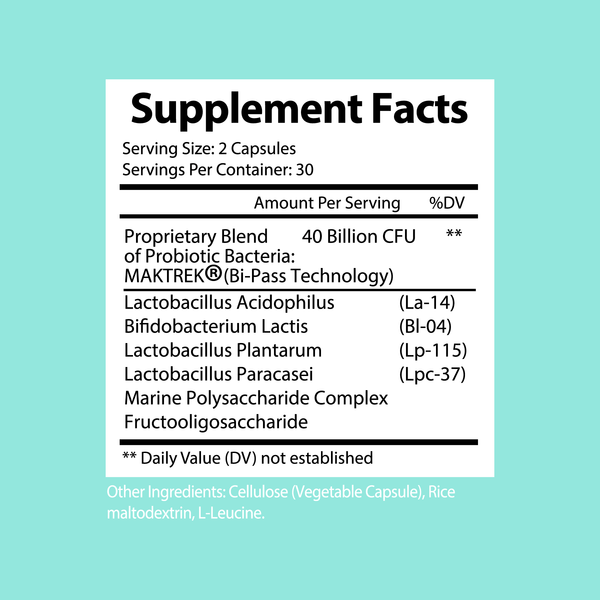
For probiotics: Check the label for live, active strains. Strain variety matters just as much as the amount. Look for strains that match your symptoms. Buy from brands that are open about their ingredients, sourcing, and testing process.
And always check with a doctor or healthcare provider before starting a new supplement, especially if you already manage a health condition.
FAQs
1. Is it better to take digestive enzymes or probiotics?
Neither one is better than the other across the board. Enzymes help break down your food right now, during the meal. Probiotics build gut balance slowly over time. A lot of people actually need both, especially if one alone has not helped enough.
2. Can you take digestive enzymes and probiotics at the same time?
Yes, and it often works better that way. Enzymes clean up digestion in the upper gut, which makes the lower gut a healthier place for probiotics to live and grow.
3. When should you take digestive enzymes?
Take them right before or at the very start of a meal. They need to already be active when food enters your digestive system. Taking them after you eat makes them much less effective.
4. How long do probiotics take to work?
Most people start noticing improvement in regularity and comfort within one to two weeks. Bigger changes in gut balance usually take four to eight weeks of taking them every single day.
5. Who should be careful with digestive enzyme supplements?
People with stomach ulcers, anyone on blood-thinning medication, and people with Crohn's disease, ulcerative colitis, or IBS should talk to a doctor before adding enzyme supplements. Some formulas can irritate a sensitive gut if not used correctly.
Your Gut Deserves Better Than Guessing
We started Super Naturals Health because gut health should not feel this hard to figure out. You should not need to spend hours reading research papers just to understand why your stomach hurts after lunch.
Our IBSolution is built around ingredients that actually make sense for your gut. Inulin to feed the good bacteria already living in there. Psyllium husk for fiber and regularity. Ginger and papaya to support digestion naturally. Aloe vera and slippery elm to calm and soothe your intestinal lining from the inside.
We hold every batch to strict quality standards at our FDA-registered, NSF-certified facility. We are upfront about every ingredient and where it comes from, because you deserve to know what you are putting in your body.