Skip to content

You swapped chips for salads. You added fiber. You cut out processed food. So why does your stomach still feel like a balloon by 3 PM? Here's the thing: healthy eating doesn't automatically mean easy digestion. Some of the most nutritious foods out there can still cause bloating, and for reasons that have nothing to do with willpower or diet quality. The real culprit is usually something much more specific, and once you know what it is, you can actually fix it.
Let's walk through exactly why this happens and what you can do about it.
What Actually Causes Bloating After Healthy Meals?
Bloating happens when gas builds up in your digestive tract faster than your body can move it out. The discomfort, tightness, or swollen feeling you get after eating isn't random. It usually has a clear cause, even if that cause is hiding inside a "clean" meal.
You're Eating High-Fiber Foods Too Fast
Fiber is great for digestion. But if you pile on too much at once, especially if your gut isn't used to it, you're going to pay for it. When bacteria in your large intestine break down fiber, they produce gas. That's completely normal. The problem is when that gas builds up too quickly, which happens when you eat large amounts of fiber in a short time.
Common culprits include beans, lentils, broccoli, Brussels sprouts, and whole grains. These are all genuinely good for you. But they need to be introduced slowly, especially if you recently changed your diet.
What to do: Add high-fiber foods gradually over two to three weeks. Drink plenty of water with them, since fiber needs water to move smoothly through your gut.
FODMAPs Are Feeding the Wrong Bacteria
FODMAP stands for fermentable oligosaccharides, disaccharides, monosaccharides, and polyols. That's a mouthful, but the simple version is this: FODMAPs are types of carbohydrates that your small intestine has trouble absorbing. When they reach your large intestine undigested, bacteria ferment them and produce gas. For people with sensitive guts, this causes significant bloating, cramping, and discomfort.
Here's what surprises most people: high-FODMAP foods include things like apples, garlic, onions, honey, wheat, and some dairy. These aren't junk foods. They're commonly considered healthy. But for certain people, they're a major trigger. A low-FODMAP elimination diet, where you remove these foods for two to four weeks and then reintroduce them one at a time, can help you identify exactly which ones bother you.
You're Eating Too Quickly
We know this one sounds basic. But eating speed is genuinely one of the most common and most overlooked causes of bloating. When you eat fast, you swallow air along with your food. That air has to go somewhere, and it usually ends up as uncomfortable gas in your digestive tract. Eating quickly also means your stomach gets flooded with food faster than it can handle, which slows digestion and leads to that heavy, distended feeling.
Try slowing down at meals. Put your fork down between bites. Aim to spend at least 20 minutes eating a full meal. Chewing your food thoroughly gives your digestive enzymes a head start, and that makes a real difference.
You May Have a Food Sensitivity You Haven't Caught Yet
Food allergies get a lot of attention. But food sensitivities are much more common and much harder to spot. Unlike allergies, which cause immediate reactions, sensitivities can cause symptoms hours after eating. Lactose intolerance is a well-known example. Gluten sensitivity is another.
But sensitivities to eggs, soy, or even certain fruits can also cause bloating without any other obvious signs. Keeping a food diary is one of the best ways to find patterns. Log what you eat and how you feel afterward. If you consistently feel bloated two to three hours after eating a specific food, that's worth noting.
Constipation Is Backed Up Behind Your Bloating
If stool is sitting in your digestive tract longer than it should, it ferments. That fermentation produces gas, and that gas has nowhere to go except to make you feel uncomfortable and swollen. Constipation is actually one of the most common causes of chronic bloating, even in people who eat healthy diets.
You can be eating all the right things and still be constipated if you're not drinking enough water or moving your body regularly. Aim to drink water throughout the day rather than all at once. Short walks after meals genuinely help move things along. And if you're adding more fiber, make sure it's paired with enough hydration.
Your Gut Bacteria May Be Out of Balance
Your digestive system is home to trillions of bacteria, and the balance between good and bad bacteria matters more than most people realize. When that balance gets disrupted from stress, antibiotics, poor sleep, or a sudden diet change, your digestion can become less efficient. Undigested food ferments in the wrong place at the wrong time, producing excess gas.
A condition called SIBO (Small Intestinal Bacterial Overgrowth) occurs when bacteria that belong in the large intestine migrate to the small intestine. This leads to excessive gas production and persistent bloating even after small meals.
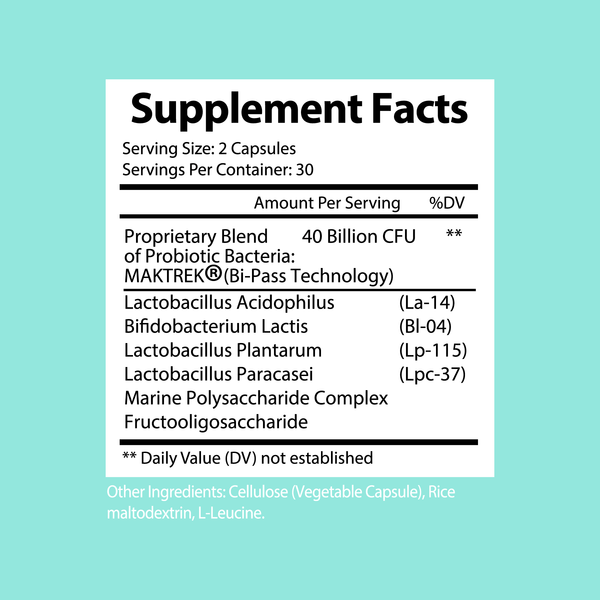
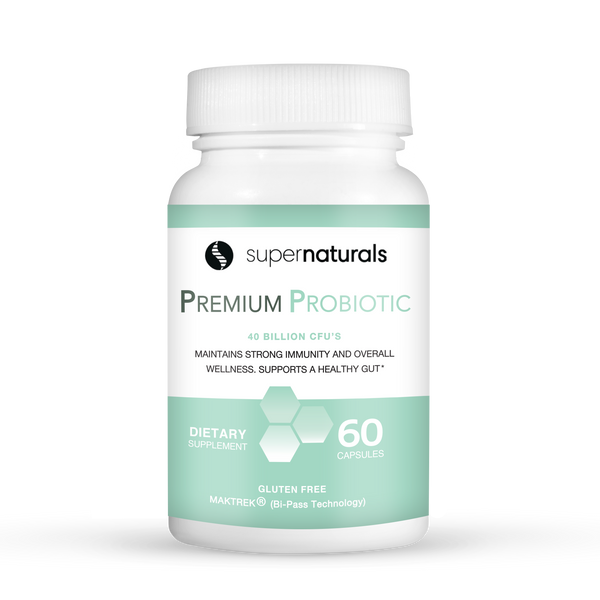
Supporting your gut with a prebiotic supplement for bloating can help feed the beneficial bacteria in your gut and crowd out the problematic ones. Prebiotics are the food that healthy gut bacteria thrive on. A quality bloating supplement that includes prebiotic fiber gives your gut microbiome the raw material it needs to rebalance over time.
When to Seek Medical Help?
Occasional bloating after a big meal is normal. But if your bloating is frequent, severe, or paired with symptoms like unexplained weight loss, blood in your stool, persistent pain, or diarrhea, see a doctor.
These could be signs of IBS, SIBO, celiac disease, or other conditions that require proper diagnosis and treatment. A gastroenterologist can run the right tests and put together a management plan that actually fits your situation.
FAQs
1. Why am I so bloated even though I eat healthy?
Healthy foods like beans, broccoli, onions, and apples contain fermentable carbohydrates that can cause gas in sensitive guts. Eating too fast, food sensitivities, constipation, or an imbalance in gut bacteria can all cause bloating even on a clean diet.
2. Does drinking water help with bloating?
Yes, especially if bloating is tied to constipation. Water helps fiber move through your digestive tract and reduces the buildup of gas. Aim to sip water consistently throughout the day rather than drinking large amounts all at once.
3. Can probiotics or prebiotics reduce bloating?
Probiotics introduce beneficial bacteria, while prebiotics feed the bacteria already in your gut. Both can support digestive balance. A supplement for bloating with prebiotic ingredients like inulin or psyllium may help reduce gas and discomfort over time when used consistently.
4. What is the fastest way to relieve bloating?
Walking, gentle abdominal massage, and avoiding carbonated drinks can bring quick relief. Long-term, identifying your personal food triggers through a diary or elimination diet is the most effective strategy. Staying hydrated and eating slowly also help significantly.
5. How do I know if my bloating is caused by a food sensitivity?
Track what you eat and when symptoms appear. If bloating consistently shows up two to four hours after eating a specific food, that food may be a trigger. An elimination diet or testing with a registered dietitian can help you confirm sensitivities.
Ready to Feel Better After Every Meal?
If bloating keeps showing up no matter how clean your diet gets, your gut may just need extra support. We found that the right combination of prebiotic fiber, digestive-friendly ingredients, and consistent daily support makes a real difference. Super Naturals Health offers IBSolution, an all-natural best anti-bloating supplement formulated with ingredients like inulin, psyllium, ginger, and aloe to support a healthier gut from the inside out. It's designed for people who want clean, effective digestive support without harsh chemicals or prescription side effects.
If you're ready to stop guessing and start feeling better, explore the full lineup at Super Naturals Health and find the supplement for bloating that fits your body and your routine.
Note: This blog is for informational purposes only and does not constitute medical advice. If you have persistent or severe digestive symptoms, consult a qualified healthcare provider.