Skip to content

Psyllium fiber is the most common first choice, and magnesium works faster for occasional relief. The right pick depends on how fast you need results and what drives your symptoms. Think of your gut as a slow-moving highway. Fiber adds more lanes, and magnesium pulls in water to clear the jam. Enzymes make each load easier to handle. Each tool fixes a different kind of slowdown.
This guide comes from a digestive health supplement company serving adults who deal with constipation, bloating, and sluggish digestion. Its team creates gentle, all-natural formulas for daily gut support.
At a Glance
● Psyllium fiber is the most common first choice for steady constipation relief.
● Magnesium citrate or magnesium hydroxide softens stool and works faster.
● Stool softeners ease straining but suit short-term use only.
● Digestive enzymes and select probiotics support the gut but act more slowly.
● Drink plenty of water, start with a low dose, and see a doctor if relief does not come.

What Are the Top Supplements for Constipation Relief?
According to GoodRx, pharmacists sort constipation products by how they work. Here are the main supplement types:
- Fiber (bulk-forming): Psyllium, methylcellulose, and polycarbophil add soft bulk.
- Magnesium (osmotic): Citrate and hydroxide pull water into the gut.
- Stool softeners: Docusate eases straining but works gently.
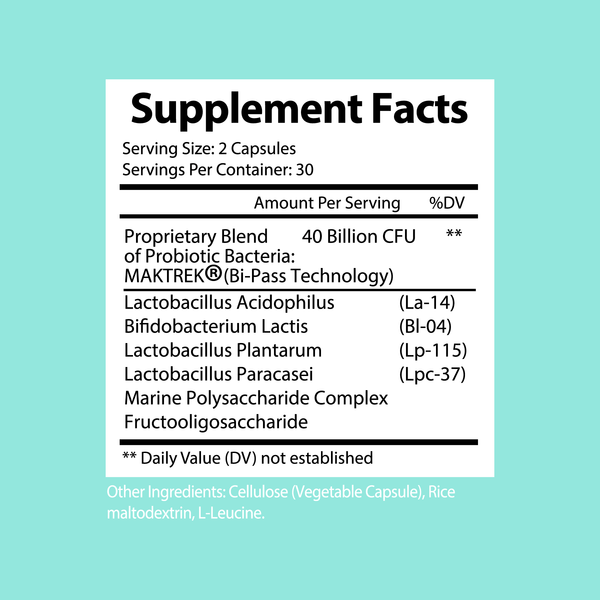
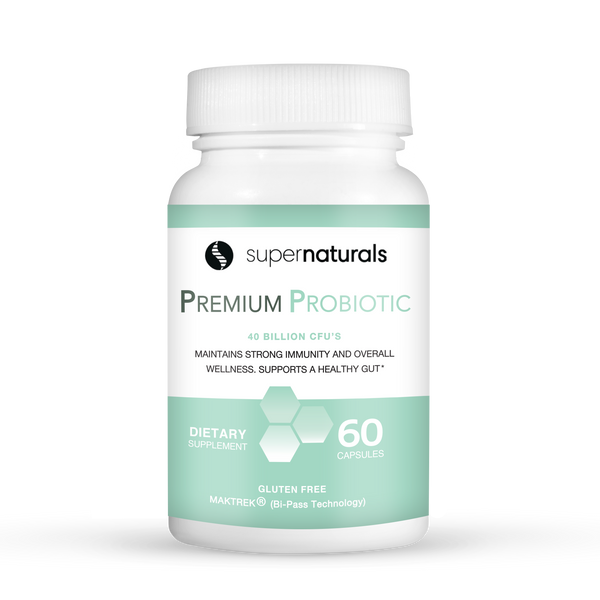
- Probiotics: Select strains support gut bacteria balance.
- Digestive enzymes: These help break down food for easier digestion.
How Fiber and Magnesium Work for Constipation
Bulk-forming fiber helps stool hold more water. This makes stool bulkier and easier to pass. GoodRx advises starting with a small dose and drinking plenty of water. Increase slowly until you go regularly. Fiber does not suit every case. Constipation from opioids or GLP-1 medicines may worsen with psyllium. It adds bulk without stimulating the bowel. Ask your prescriber before you try it.
Magnesium citrate and magnesium hydroxide draw water into the intestines. They rank among the faster oral options. People with kidney problems should talk to a doctor first. Stool softeners like docusate suit short use, up to about one week.
Digestive Enzymes and Probiotics for Constipation Support
Digestive enzymes help break food into smaller parts. Better breakdown leaves less to ferment, which may ease bloating and sluggish digestion. Enzymes are not laxatives, so pair them with fiber and water. A daily digestive enzyme support supplement like Super Naturals Digest Plus gives your body extra help breaking down proteins, fats, and carbohydrates.
Some probiotic strains support regularity by balancing gut bacteria. Results vary by strain. Some products can cause gas or even constipation at first. Track your response for several weeks.
Why Choosing the Right Constipation Supplement Matters
Knowing what the best supplement for constipation in your situation is saves time and avoids side effects. A mismatch can leave you bloated or backed up. Water, movement, and a steady bathroom routine work alongside any supplement.
See a doctor for severe pain, blood in stool, or constipation lasting more than a few weeks. These signs call for medical care, not another supplement.
FAQs
What Is the Best Supplement for Constipation?
Psyllium fiber is the most common first choice. Magnesium citrate works faster for occasional cases. Match the supplement to your symptoms and speed needs, and drink plenty of water.
What Supplements Help Relieve Constipation?
Fiber, magnesium, stool softeners, probiotics, and digestive enzymes all help in different ways. Fiber adds bulk, magnesium draws in water, and softeners ease straining. Choose based on your symptoms.
What Is the Best Fiber Supplement for Constipation?
Psyllium is a widely used choice. Methylcellulose and calcium polycarbophil are other bulk-forming options. Start with a small dose, increase slowly, and drink plenty of water to avoid blockage.
Can Magnesium Supplements Help With Constipation?
Yes, magnesium citrate and magnesium hydroxide draw water into the intestines and soften stool. They work faster than most oral options. People with kidney problems should check with a doctor first.
Are Probiotics Good for Constipation?
Some strains can help, but some products may also cause gas or constipation. Choose a strain with research behind it. Track your results for a few weeks before judging it.
Can Digestive Enzymes Help With Constipation?
Digestive enzymes may help when poor food breakdown adds to bloating and sluggish digestion. They are a supporting tool, not a laxative. Pair them with fiber, water, and movement.
What Vitamins Are Good for Constipation?
No vitamin works as a direct laxative. Vitamins support digestion, but fiber, water, and movement do the heavy lifting. Check with a doctor if you suspect a deficiency or constipation lingers.
How Long Does It Take for Constipation Supplements to Work?
It depends on the type. Faster options like magnesium and stimulants may work within hours. Fiber, stool softeners, and PEG can take 12 hours to 3 days.
How Often Should You Take Supplements for Constipation?
Follow the label directions. Fiber can be taken daily with plenty of water. Stool softeners should not be taken daily for more than one week without medical guidance.
What Is the Best Natural Supplement for Constipation?
Psyllium husk is a top natural choice. It comes from a plant and adds soft bulk to stool. Add magnesium or enzymes if fiber alone falls short.
Ready to support your digestion every day? Super Naturals Health makes gentle, all-natural digestive formulas for adults who want steady relief. Explore the range and find the right fit for your routine.