Skip to content

Few things ruin a good day like feeling backed up. You eat well, drink water, and your gut still will not cooperate. When food changes are not enough, many people look into magnesium supplements for constipation. We understand the appeal. Still, the shelf is packed with options, and each one works a little differently. In this guide, we walk you through the main types so you can shop with confidence.
Why You Can Trust This Guide
Our team has spent years studying gut health research and answering real questions from readers. We are not doctors, and this guide does not replace medical care. Think of us as the friend who did the homework and wants to share it in plain English.

How Magnesium Helps You Go
Magnesium is an osmotic laxative. This simply means it pulls water into your intestines. Picture a dry sponge. Add water, and it softens right up. Your stool responds in much the same way, which makes it easier to pass.
Magnesium also relaxes the muscles in your intestines. This helps restore the wave-like movement, called peristalsis, which pushes waste along. Constipation often comes with a tight, puffy belly, so some people also explore magnesium supplements for bloating. Easier bowel movements may help your belly feel lighter.
Meet the Main Types of Magnesium
Not all magnesium is the same. The form you choose changes how it feels and how it works.
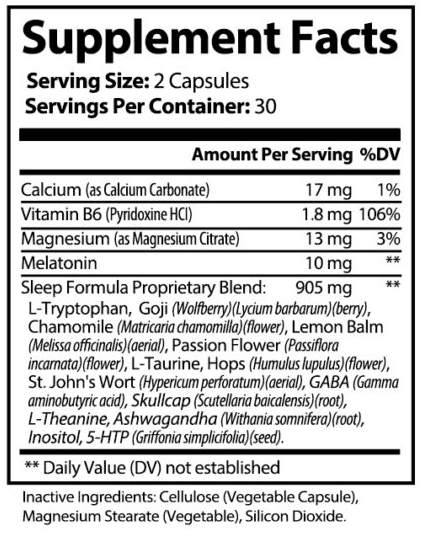
Magnesium Citrate
This form pairs magnesium with citric acid. Your body absorbs it well, and it works as an effective osmotic laxative. That is why it is such a popular pick for constipation.
Magnesium Oxide
Magnesium oxide is easy to find and usually costs less. Your body absorbs it less easily than other forms. This can help keep your magnesium levels from rising too high.
Magnesium Hydroxide
You may know this one as Milk of Magnesia. It comes as a liquid or a chewable tablet. People use it as both a laxative and an antacid.
Magnesium Sulfate
This form is better known as Epsom salt. Lots of people use it in baths to ease sore muscles. It can also be taken by mouth as a laxative, but only use products made for that purpose and follow the label.
Magnesium Glycinate
Here, magnesium is paired with glycine, an amino acid. It absorbs easily and can support regularity. It tends to be milder than citrate or oxide, so it suits people who want a gentler option.
How to Choose a Type, Step by Step
- Name your goal. Short-term relief often points to citrate or hydroxide, while a milder daily option may point to glycinate.
- Read the label. Look for the amount of elemental magnesium in each serving, and follow the directions.
- Start low and go slow. Providers often give this advice because it lowers the chance of loose stools and cramps.
- Drink plenty of water. Magnesium pulls water into your bowel, so your body needs enough to share.
- Track how you feel. Note your response over several days, and adjust with your provider.
For everyday supplements, the upper limit for adults is 350 mg of magnesium. Laxative products follow their own label directions, so read them closely.
Add Fiber, Water, and Prebiotics to the Mix
Magnesium is one tool, not the whole toolbox. Food, fluids, and movement still do the heavy lifting. Fiber adds bulk and helps keep stool moving. If you are shopping for fiber supplements for bloating, go slowly, since a fast jump in fiber can bring extra gas at first. Psyllium is a common choice. Take it with a full glass of water.
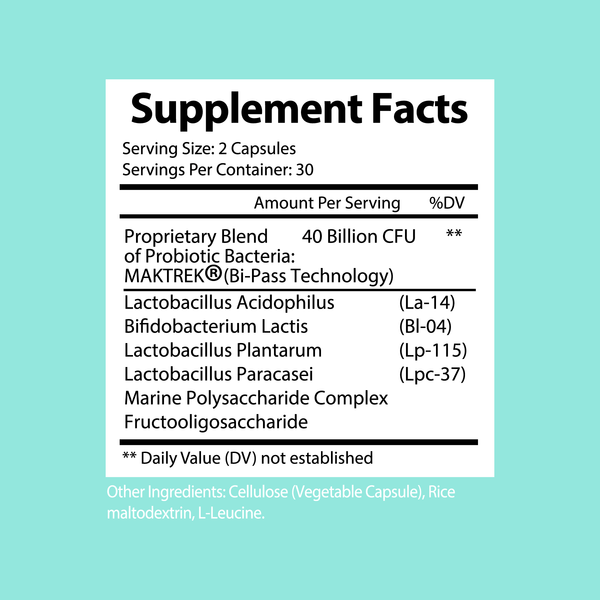
Prebiotic supplements for gut health are another option. Prebiotics are plant fibers, such as inulin, and they feed the friendly bacteria in your gut. They can cause gas in some people, so begin with a small amount.
Safety Notes Worth Reading
Magnesium is safe for most people when taken as directed. Too much can cause diarrhea, belly cramps, and nausea. In rare, extreme cases, it can affect heart rhythm and blood pressure.
It can also interact with some medicines, including certain antibiotics and heart medications. Magnesium is not advised for people with kidney disease or myasthenia gravis. Talk with your provider first if you are pregnant, nursing, or buying for a child under 12.
Call your provider if you see blood in your stool, feel strong belly pain, or lose weight without trying. Also check in if you need a laxative for more than a week. Ongoing constipation deserves a proper exam.
FAQs
What Types of Magnesium Supplements Are Commonly Used for Constipation?
Magnesium citrate, magnesium oxide, magnesium hydroxide, and magnesium sulfate are common choices. Magnesium glycinate is also used, though it tends to be gentler. Each form works a little differently, so check labels and ask your pharmacist.
Which Form of Magnesium Is Best for Supporting Bowel Movements?
Magnesium citrate is often the first pick. It absorbs well and draws water into the bowel. Magnesium hydroxide is another popular choice. The best form depends on your body, so ask your provider.
How Does Magnesium Help Support Digestive Regularity?
Magnesium pulls water into the intestines, which softens stool. It also relaxes intestinal muscles, supporting the natural squeezing motion that moves waste along. Together, these actions can make bowel movements easier and more comfortable.
What Is the Difference Between Magnesium Citrate and Magnesium Glycinate?
Magnesium citrate is bound to citric acid and acts as a stronger laxative. Magnesium glycinate is bound to the amino acid glycine and is gentler on digestion. Citrate suits constipation more often.
How Should You Choose a Magnesium Supplement for Constipation?
Match the form to your goal, read the label for the amount of elemental magnesium, and start with a low dose. Check with your pharmacist about medicines you take. Choose products with clear labeling and third-party testing.
Can Magnesium Supplements Cause Digestive Side Effects?
Yes. Too much can cause diarrhea, cramping, nausea, and vomiting. Starting low and going slow lowers the risk. Stop use and call your provider if symptoms feel strong or do not fade.
How Do Gut Health Natural Supplements Support Digestive Wellness?
Gut health natural supplements, such as fiber, prebiotics, and probiotics, can support the balance of friendly bacteria and regular digestion. They work best alongside balanced meals, water, and movement, not as a replacement for them.
Can Herbal Supplements for Gut Health Be Used Alongside Magnesium?
Sometimes, but not always. Some herbs, like senna, also act as laxatives, so combining them may raise the risk of cramping or loose stools. Ask your provider or pharmacist before mixing products.
What Other Nutritional Supplements May Support Gut Health?
Fiber, prebiotics, and probiotics are common picks. Some people also use digestive enzymes or peppermint oil. Evidence varies by product, so choose reputable brands and review options with your healthcare provider.
What Safety Precautions Should You Consider Before Taking Magnesium for Constipation?
Talk with a provider first if you have kidney disease, myasthenia gravis, or take regular medicines. Ask before use if you are pregnant, nursing, or giving it to a child under 12. Always follow the label.
Ready to Take the Next Step for Your Gut?
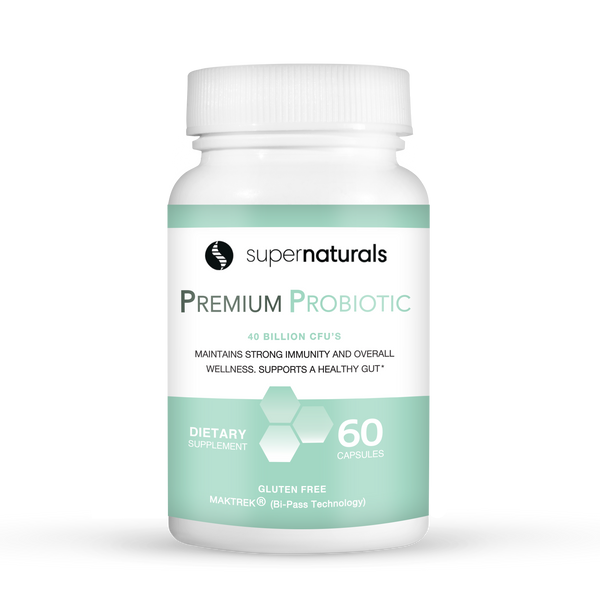
We know choosing a supplement can feel like a lot. Start with the basics: water, fiber-rich foods, and a routine you can stick with. If you want extra support, we are here to help. At Super Naturals Health, we create gut health supplements with everyday wellness in mind. Our Gut Health Starter Kit is a simple place to begin your search for the best supplements for gut health and bloating. Visit supernaturalshealth.com to explore our full range, and check with your healthcare provider before adding anything new.