Skip to content

Ever stood in the supplement aisle, staring at fifty bottles, with no clue where to start? We have been there too. Picking a gut health supplement feels harder than it should. Labels all sound alike, and every bottle promises a happier belly. In this guide, we walk you through the process step by step so you can shop with confidence.
What Do Gut Health Supplements Actually Do?
Your gut is home to trillions of tiny microbes. Together, they make up your gut microbiome. When this balance shifts, you may notice gas, bloating, or an irregular bathroom routine. Stress, travel, poor sleep, and antibiotics can all play a part.
A supplement can offer extra support during those times. It does not replace good food, sleep, or movement. We like to think of it as a helping hand, not a magic fix.

Start With Your “Why”
In our experience, this is the step most people skip. Before you buy anything, ask what you want help with. Is it occasional bloating, slow digestion, or support while you take antibiotics?
Your goal shapes the right choice. A pharmacist’s guide from the Canadian Digestive Health Foundation says the same thing. No single product works for everyone, and a bottle labeled “probiotic” is not always the right one for your needs.
How to Choose Gut Health Support, Step by Step
Step 1: Know the Main Types
Here is a quick look at the common options:
● Probiotics: These contain live microbes, such as Lactobacillus, Bifidobacterium, or the yeast Saccharomyces boulardii.
● Prebiotics: These are fibers that feed the good microbes already in your gut.
● Digestive enzymes: These help your body break down certain foods, like lactase for dairy.
● Magnesium: Some forms draw water into the bowel and can ease occasional constipation.
● Fiber: Psyllium is a popular choice, and it works best when you add it slowly.
Step 2: Match the Strain
Probiotic labels list a genus, a species, and a strain. Take Lactobacillus rhamnosus GG as an example. Lactobacillus is the group, rhamnosus is the species, and GG is the strain.
This detail matters because different strains do different jobs. Look for a strain studied for your specific goal, not just a bottle with a trendy name.
Step 3: Check the Dose and Form
Capsules, powders, and liquids all exist, so pick the one you will actually take. Follow the label for dosing, and stay consistent. Taking a probiotic only when you feel off will not do much.
A refrigerated product is not automatically better. Just store it exactly as the label says, and toss it once it expires.
Step 4: Read the Other Ingredients
Supplements often contain gelatin, corn starch, lactose, or wheat. If you have allergies or a food intolerance, read the full label. This quick check can save you from an upset stomach.
Step 5: Look for Quality Signals
In the United States, the FDA does not approve supplements before they hit the shelf. That makes quality checks your job. Look for third-party testing seals from groups like USP or NSF. Also confirm the brand lists clear amounts for every ingredient.
Step 6: Ask a Pro
Your pharmacist or doctor can spot problems you might miss. This matters most if you take prescriptions or have a health condition.
Supplements for Bloating: What to Know
Bloating has many causes, so there is no one-size answer. Common supplements for bloating include probiotics, digestive enzymes, peppermint oil, and ginger. The best dietary supplements for bloating match the trigger. Think about your own patterns. Does bloating follow dairy? Lactase may help. Does it follow beans? An enzyme called alpha-galactosidase may help. Do you eat fast or swallow air? Habits may matter more than pills.
Probiotic supplements for bloating also show some promise. A small 2004 study found the LGG strain eased bloating and gas in some people. Still, results vary by strain and by person. Keep one rule in mind. See a doctor if bloating comes with weight loss, blood in your stool, or severe pain. Those signs need a proper check.
Magnesium and Constipation: A Simple Guide
A magnesium supplement for constipation is a common pick, and for good reason. Forms like magnesium citrate and magnesium oxide pull water into the bowel. This softens stool and makes it easier to pass. Start with a low dose. Too much magnesium can cause loose stools or cramps. The National Institutes of Health sets an upper limit of 350 mg per day from supplements for adults.
Magnesium can also interact with some antibiotics and other medicines. If you have kidney problems, check with your doctor first. Drinking enough water and eating fiber-rich foods will help too.
Who Should Check With a Doctor First?
Talk with a healthcare provider before starting any new supplement if you:
● Are pregnant or nursing
● Have a weakened immune system or a serious illness
● Take prescription medicines
● Plan to give a supplement to a child
This is simply smart caution, not a reason to worry.
FAQs
What Are Gut Health Supplements?
They include probiotics, prebiotics, enzymes, fiber, and minerals that support digestion and a balanced gut microbiome. They add to a healthy diet and lifestyle. They do not replace either one.
How Can Gut Health Supplements Support Digestive Wellness?
They may help balance gut microbes, ease occasional gas and bloating, and support regular bowel habits. Results vary by product, strain, and person, so match the supplement to your goal.
What Types of Supplements Are Commonly Used for Bloating?
Probiotics, digestive enzymes, peppermint oil, ginger, and fiber are common picks. The best option depends on the cause, such as food triggers, lactose, or slow digestion.
How Do Probiotic Supplements Support Gut Health?
They add live microbes, like Lactobacillus or Bifidobacterium, to your gut. Researchers study them for helping restore balance, especially after antibiotics. Benefits depend on the specific strain.
Can Probiotic Supplements Help Reduce Bloating?
Some strains may ease bloating and gas in some people. Research is mixed, and results depend on the strain. Follow the label and track your symptoms.
What Should You Consider When Choosing Dietary Supplements for Bloating?
Check your goal, active ingredient or strain, dose, extra ingredients, and third-party testing. Review your medicines too. Ask a pharmacist if you feel unsure.
How Does Magnesium Support Digestive Health?
Magnesium helps gut muscles work normally. Some forms also draw water into the intestines, which softens stool and supports regular bowel movements.
Can Magnesium Supplements Help with Constipation?
Magnesium citrate and magnesium oxide can help with occasional constipation. Start low, drink water, and stop if stools turn loose. Check with a doctor if you have kidney problems.
What Is the Difference Between Probiotics and Other Digestive Supplements?
Probiotics add live microbes. Prebiotics feed them. Enzymes help break down food. Magnesium and fiber affect stool movement. Each one does a different job.
What Safety Factors Should You Consider Before Taking Gut Health Supplements?
Talk to your doctor if you are pregnant, nursing, or take medicines. Choose tested products and follow label doses. Stop use if symptoms worsen, and seek care for blood in stool or severe pain.
Ready to Support Your Gut? Start Simple
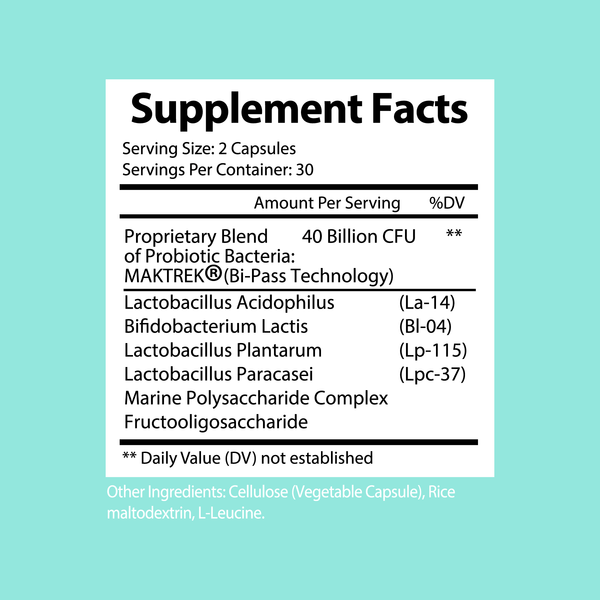
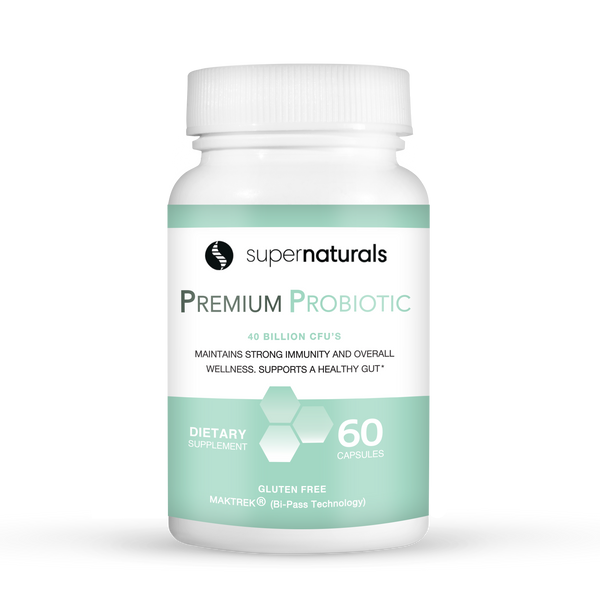
Choosing the right gut health supplement does not have to feel like a puzzle. Start with your goal, check the strain and label, and go slow. At Super Naturals Health, we love helping people take that first step with clear, simple options. Our Premium Probiotic and Digest Plus are great places to begin, and our Gut Health Starter Kit makes trying a routine easy. Take a look at our full range at supernaturalshealth.com, and let us help you find the right fit for your gut.
Note: This content is for education only. It does not replace medical advice.