Skip to content

Ever feel gassy after pizza night? Or super full even hours later? A lot of people grab digestive health supplements or try probiotic supplements when that happens. But here’s the thing. Your gut needs strong basics first. Fiber and prebiotics are like the real MVPs of digestion. If they’re missing, your stomach may struggle.
What is fiber?
Fiber is part of plant food that your body cannot fully break down. And that’s actually good. It moves through your body and helps clean things out. Think of it like a gentle broom for your gut. There are two main types.
Soluble fiber
This one mixes with water. It turns soft and slows digestion. You find it in:
- Oats
- Beans
- Apples
Insoluble fiber
This one does not mix with water. It adds bulk and helps you poop regularly. You find it in:
- Whole wheat bread
- Brown rice
- Veggies
When you eat enough fiber, your stomach feels lighter. Things move on time. No traffic jam inside.
What are prebiotics?
Prebiotics are special types of fiber. They feed the good bacteria in your gut. Now, let’s clear up confusion. Probiotics are live good bacteria. The Mayo Clinic explains that probiotics can help balance gut bacteria when taken in the right amount. Prebiotics are food for those bacteria.
So think of it like this:
- Probiotics are pets.
- Prebiotics are their food.
No food, no happy pets.
Why do fiber and prebiotics help with gas?
Gas happens when food sits too long in your gut. Bad bacteria may grow more than good ones. Fiber helps move food along. Prebiotics feed the good bacteria.
When both work together, your gut stays more balanced. Some people take a probiotic supplement for bloating and gas to feel better. That can help. But if they eat very little fiber, the problem may come back. Food first. Supplements second.
What foods have prebiotics?
You probably already eat some. Good sources include:
- Bananas
- Garlic
- Onions
- Asparagus
- Whole grains
Try adding one of these each day. Small steps matter.
What happens if you don’t eat enough fiber?
Most people don’t eat enough fiber. That can cause:
- Constipation
- Bloating
- Hard stools
- Upset stomach
When that happens, people look for supplements for digestion. And yes, those can help. But without fiber, you’re just putting a bandage on the problem.
How can you add more fiber without feeling worse?
Don’t go all in at once. If you suddenly double your fiber, your stomach may protest. You might feel extra gas or cramps. That is normal, but we can avoid it. Here’s a simple and safe plan.
Start slow
Add just one high-fiber food each day. For example, eat oatmeal at breakfast or add a small apple as a snack. After a few days, add another fiber food. Maybe toss beans into your salad. Or add extra veggies to dinner. Small steps help your gut adjust without drama.
Drink more water
Fiber needs water to move smoothly through your body. Without water, fiber can make stools hard. Aim to sip water during the day. If your pee is pale yellow, you are likely drinking enough.
Swap smart
You do not need to change everything at once. Just make easy swaps. Pick brown rice instead of white rice. Choose whole wheat bread over white bread. Try whole-grain cereal instead of sugary cereal. These small swaps add up fast.
Your gut needs time to adjust. Give it a week or two. Be patient. Your body is learning a new routine.
Do supplements still help?
Yes, they can.
Life gets messy sometimes. Stress from school or work can upset your stomach. Travel can throw off your eating routine. Too much fast food can also cause trouble. In those times, digestive supplements may support you.
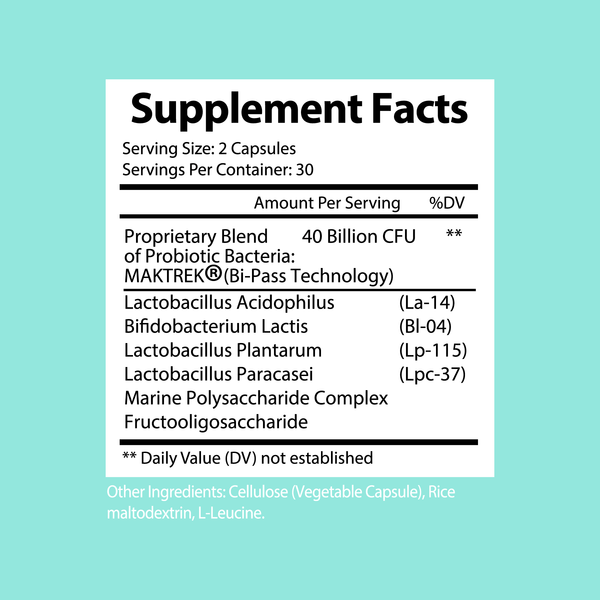
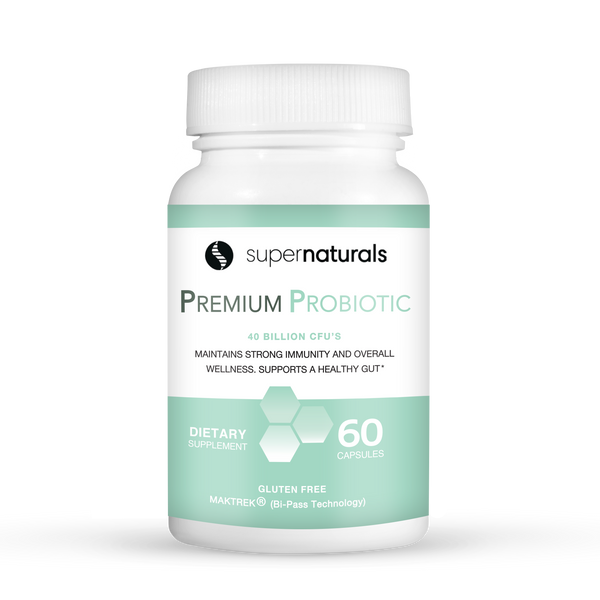
A good probiotic supplement for bloating and gas may help restore balance. It adds helpful bacteria back into your gut. Some people also use probiotic supplements during tough weeks. That can bring relief when things feel off. But here’s the key point.
Supplements work best when you already eat fiber and prebiotic foods. They support your gut. They do not replace healthy meals. Think of them like backup singers. They help the main act shine, but they are not the whole show.
How long before you feel better?
It depends on your body. Some people notice less bloating in a few days. Others need a few weeks to see big changes. Your gut bacteria need time to grow stronger. When you add fiber and prebiotics, you are feeding them daily. That growth does not happen overnight.
Stay consistent. Eat fiber every day. Add prebiotic foods like bananas, onions, or whole grains often. If you are using supplements, give them time to work. Follow directions and stay regular.
Slow and steady wins the race. Stick with it, and your gut will thank you.
FAQs
1. What are prebiotics good for?
Prebiotics feed good gut bacteria. Strong bacteria help digestion, reduce gas, and keep your stomach feeling calm.
2. Can fiber help with bloating?
Yes, if you add it slowly. Fiber helps move waste out. But too much too fast may cause extra gas at first.
3. Should I take probiotics every day?
Some people do. Others take them when they feel off. It depends on your body and your needs.
4. What foods are high in fiber?
Oats, beans, whole grains, fruits, and vegetables are great sources of fiber.
5. Are supplements better than food?
Food comes first. Supplements like supplements for digestion help when your diet needs extra support.
Want to Support Your Gut the Smart Way?
A healthy gut starts with fiber and prebiotics. They build the base. Then, if needed, digestive supplements can give extra help.
At Super Naturals Health, we believe in simple daily habits that support real gut balance. If you’re thinking about trying probiotic supplements or other supplements for digestion, we’re here to help you choose wisely and feel your best.