Skip to content

Table of Contents
- Why Sleep and Digestion Are Connected
- Key Supplements for Better Sleep and Digestion
- Probiotics for Better Sleep
- How to Improve Digestion for Better Sleep
- Synergistic Supplement Stacks for Sleep and Digestion
- Safety, Dosage, and What to Know Before Starting
- Frequently Asked Questions
Last Updated: September 23, 2026
Why Sleep and Digestion Are Connected
Sleep and digestion are far more interconnected than most people realize. When your digestive system isn't functioning properly, your sleep suffers. When you're not sleeping well, your gut struggles to repair itself and maintain healthy bacteria balance. This bidirectional relationship means that addressing one often requires attention to the other.
The connection runs deep at a physiological level. Your circadian rhythm governs both sleep-wake cycles and digestive function. During sleep, your body shifts into a parasympathetic state where digestion becomes more efficient. Conversely, poor digestion triggers inflammation and discomfort that keeps you awake at night. Stomach acid production, enzyme release, and nutrient absorption all follow circadian patterns that align with your sleep schedule.

At Super Naturals Health, we recognize that sustainable wellness requires treating these systems as interconnected. This is why supplements for better sleep and digestion often work best when they address both pathways simultaneously rather than targeting one in isolation.

Key Supplements for Better Sleep and Digestion
Several micronutrients play central roles in supporting both restful sleep and healthy digestion. An effective approach combines supplements that target the nervous system with those that support digestive function directly.
Magnesium for Sleep and Digestion
Magnesium is perhaps the most versatile mineral for addressing both sleep quality and digestive comfort. It functions as a natural muscle relaxant, which helps ease the smooth muscle tension that causes cramping and bloating during digestion. At night, magnesium promotes nervous system relaxation, making it easier to transition into deep sleep.
The mineral supports sleep latency by activating parasympathetic nervous system responses. This same activation improves digestive enzyme secretion and reduces gut inflammation. Many people with chronic digestive discomfort find that magnesium supplementation reduces both daytime symptoms and nighttime sleep disruption.
Magnesium works best when paired with consistent sleep hygiene practices. Individual tolerance varies. Some forms of magnesium, particularly magnesium glycinate, are gentler on the digestive tract than others.
L-Theanine and GABA for Nervous System Support
L-theanine is an amino acid found in tea that promotes relaxation without sedation. It increases alpha brain wave activity, which creates a calm but alert mental state. This makes it valuable for people who struggle with racing thoughts at bedtime while also managing daytime anxiety that triggers digestive issues.
GABA (gamma-aminobutyric acid) functions as your brain's primary inhibitory neurotransmitter. It calms excessive neural firing that can contribute to both insomnia and nervous system-driven digestive problems. When your nervous system is constantly activated, your gut remains in fight-or-flight mode, which suppresses digestion and increases inflammation.
Together, L-theanine and GABA create a more stable nervous system environment. This reduces the stress-induced digestive issues that plague many people with IBS-like symptoms. The combination supports both restorative sleep and daytime digestive comfort.
Melatonin and Sleep Latency
Melatonin is your body's primary sleep-promoting hormone. It signals your circadian rhythm and prepares your system for rest. Beyond sleep regulation, melatonin functions as a powerful antioxidant that protects your gut lining from inflammation and oxidative stress.
Sleep latency, the time it takes to fall asleep, improves significantly with melatonin supplementation in people whose natural production is low. This matters for digestion because chronic sleep deprivation impairs gut barrier function and disrupts the balance of beneficial bacteria. By improving sleep latency, melatonin indirectly supports digestive healing.
Melatonin is most effective when taken 30-60 minutes before bed. It works best as part of a broader sleep routine rather than as an isolated intervention.
Probiotics for Better Sleep
Probiotics deserve dedicated attention because the gut microbiome's influence on sleep quality is profound and often overlooked. Your gut bacteria produce neurotransmitters that directly influence sleep-wake cycles. Dysbiosis, an imbalance of gut bacteria, correlates strongly with insomnia and poor sleep quality (Gut microbiota and sleep: Interaction mechanisms and therapeutic prospects).
Specific probiotic strains support both digestive health and sleep quality. Lactobacillus and Bifidobacterium species are particularly relevant because they produce GABA and other neurotransmitters that promote relaxation. When your microbiome is balanced, these bacteria naturally produce compounds that support sleep latency and restorative sleep architecture.
Probiotics also strengthen your gut barrier, which reduces inflammation that disrupts sleep. A compromised gut lining allows bacterial endotoxins to enter your bloodstream, triggering low-grade inflammation that keeps you in a state of partial activation. This prevents deep sleep and makes you wake frequently during the night.
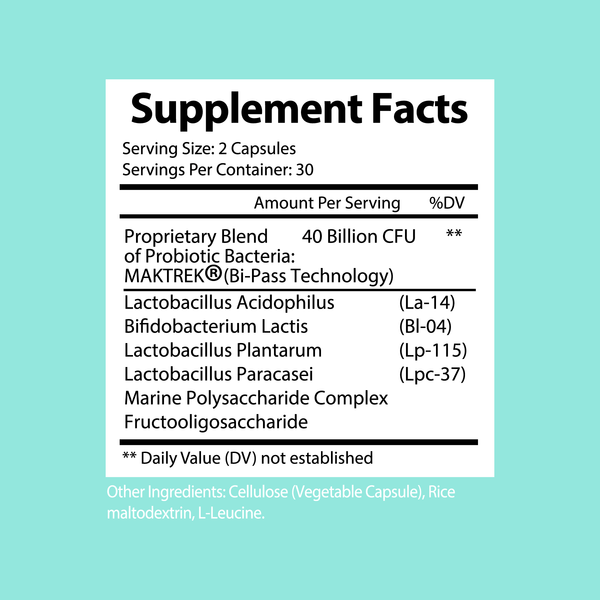
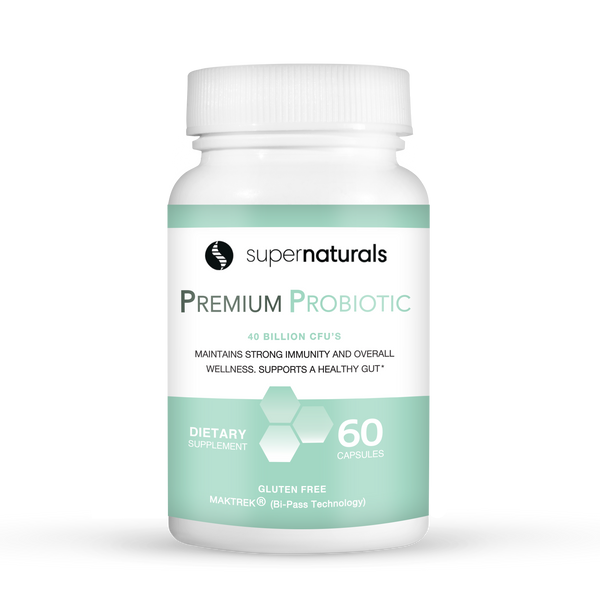
The Premium Probiotic from Super Naturals Health contains 40 billion CFUs with MAKTrek Bipass Technology, which delivers significantly higher survival rates to your intestines compared to standard probiotics. This matters because most probiotics die in stomach acid before reaching your colon where they're needed.

How to Improve Digestion for Better Sleep
Improving digestion for better sleep requires a multifaceted approach that combines supplementation with timing and lifestyle factors.
Digestive Enzymes and Nutrient Absorption
Digestive enzymes break down proteins, fats, and carbohydrates into absorbable nutrients. When enzyme production is low, which happens with age, stress, and poor diet, undigested food ferments in your intestines. This fermentation produces gas, bloating, and inflammation that disrupts sleep.
Supplemental digestive enzymes reduce this fermentation burden. They improve nutrient absorption, which means your body gets the raw materials needed for melatonin production and nervous system function. Better nutrient absorption also means less inflammatory byproducts circulating in your bloodstream at night.
Digest Plus from Super Naturals Health includes a comprehensive enzyme blend designed to break down all macronutrient categories. The formula includes bromelain and papain for protein digestion, fungal lipase for fat digestion, and alpha galactosidase for difficult-to-digest carbohydrates. This reduces the fermentation and bloating that keep people awake.

The Gut-Brain Axis and Sleep Quality
The gut-brain axis is the bidirectional communication system between your digestive tract and central nervous system. This connection explains why digestive discomfort causes insomnia and why stress worsens IBS symptoms. Signals travel in both directions: your gut microbiome influences your mood and sleep, while your sleep quality influences your digestive function.
Dysbiosis disrupts this axis by reducing production of short-chain fatty acids (SCFAs) that your brain depends on for proper function. Poor sleep further disrupts the axis by allowing harmful bacteria to proliferate. Breaking this cycle requires simultaneous attention to sleep quality and digestive health.
Supplements that support the gut-brain axis work by restoring microbial diversity and SCFA production. Probiotics and prebiotic fiber are the primary tools here. When combined with sleep-supporting supplements, they create a synergistic effect where each improves the other's efficacy.
Timing Your Supplements for Optimal Results
Supplement timing dramatically impacts their effectiveness for both sleep and digestion. Digestive enzymes work best taken with meals because they need to encounter food to function. Taking them between meals is ineffective.
Probiotics are most effective taken on an empty stomach or with a light meal, typically in the morning. This allows them to transit through your stomach with minimal acid exposure. Taking probiotics at night reduces their survival rate because your stomach acid production increases during sleep.
Melatonin and sleep-supporting supplements should be taken 30-60 minutes before bed. This timing allows them to reach peak blood levels when you're ready to sleep. Taking them too early reduces their effectiveness because melatonin has a relatively short half-life.
Magnesium can be taken either with dinner or before bed, depending on the form. Magnesium glycinate is gentler on digestion and can be taken anytime. Magnesium citrate or oxide may have mild laxative effects and work better taken in the evening.
Synergistic Supplement Stacks for Sleep and Digestion
Individual supplements work, but strategic combinations amplify results. A synergistic stack addresses multiple pathways simultaneously, creating effects greater than any single supplement could achieve alone.
The foundational stack combines magnesium, probiotics, and digestive enzymes. Magnesium relaxes your digestive tract while supporting sleep.
| Supplement | Primary Function | Best Timing | Synergy Effect |
|---|---|---|---|
| Magnesium | Muscle relaxation, nervous system calm | Evening with food | Reduces cramping and promotes sleep |
| Probiotics | Microbiome balance, neurotransmitter production | Morning, empty stomach | Improves gut-brain axis communication |
| Digestive Enzymes | Macronutrient breakdown, reduce fermentation | With meals | Prevents bloating that disrupts sleep |
| L-Theanine/GABA | Nervous system regulation | Evening before bed | Reduces stress-driven digestive issues |
| Melatonin | Sleep-wake cycle regulation | 30-60 min before bed | Supports circadian rhythm alignment |
Safety, Dosage, and What to Know Before Starting
Supplements for better sleep and digestion are generally safe when used appropriately, but several considerations matter. Individual tolerance varies significantly based on current digestive health, medications, and baseline microbiome composition.
Frequently Asked Questions
What is the best supplement for improving sleep?
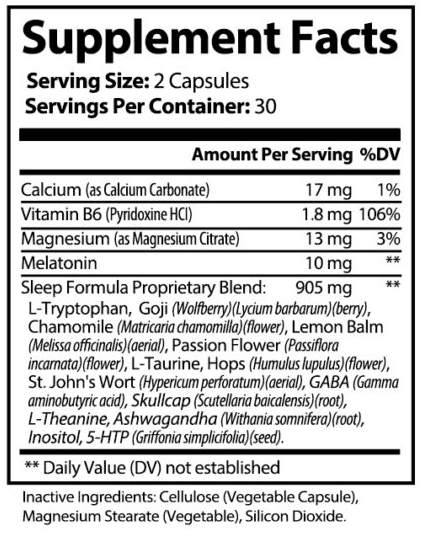
The best supplement depends on your needs, but magnesium, melatonin, and L-theanine are options. Magnesium supports muscle relaxation and nervous system regulation, while melatonin helps regulate your circadian rhythm. Many people find combining multiple ingredients, like those in Sleep Solution, can be effective. Start with one and assess your sleep quality before adding others.
How does gut health impact sleep quality?
Your gut microbiome produces neurotransmitters like serotonin and GABA that regulate sleep-wake cycles through the gut-brain axis. An imbalanced microbiome can disrupt hormone balance, including melatonin production, leading to insomnia and daytime sleepiness. Probiotics help restore healthy bacteria, improving both digestion and sleep. Supporting your gut with probiotics and digestive enzymes creates the foundation for restorative sleep.
Can I take supplements for both sleep and digestion at the same time?
Yes, many supplements support both functions. Magnesium aids muscle relaxation for sleep while supporting healthy bowel movements. Probiotics improve gut microbiome balance, which enhances both digestion and sleep quality through the gut-brain connection. Digestive enzymes taken before bed can improve nutrient absorption and reduce nighttime discomfort. Timing matters: take digestive support with meals and sleep supplements 30-60 minutes before bed.
How long does it take to feel a difference with sleep and digestion supplements?
Initial improvements in digestion and sleep can vary. Consistent use is often needed for significant results as your microbiome rebalances and your body adapts to the supplement regimen.