Skip to content

Table of Contents
- Understanding Chronic Bloating and Its Root Causes
- How to Stop Bloating After Eating: The Supplement Strategy
- Digestive Enzymes for Bloating: Breaking Down the Science
- Probiotics and Gut Microbiome Balance
- Botanical Remedies and Natural Ingredients That Work
- When to See a Doctor for Bloating: Red Flags and Next Steps
- Building Your Bloating Relief Plan: Timing, Dosage, and Quality
- Frequently Asked Questions
Last Updated: September 27, 2026
Understanding Chronic Bloating and Its Root Causes
Chronic bloating stems from multiple sources: food intolerances, insufficient digestive enzymes, an imbalanced gut microbiome, or underlying gastrointestinal distress, which is why natural supplements for chronic bloating address root causes rather than masking symptoms. Natural supplements for chronic bloating address root causes rather than masking symptoms, which is why many find them more effective than temporary fixes.
Occasional gas after a heavy meal is normal; chronic bloating persisting for weeks or worsening despite dietary changes signals a deeper issue. This guide explains how natural supplements work, which ones address specific causes, and how to build an effective protocol.
How to Stop Bloating After Eating: The Supplement Strategy
Post-meal bloating stems from distinct root causes, each requiring different supplements. Matching the supplement to the correct cause is the difference between temporary relief and lasting improvement.
Enzyme Deficiency Bloating
If bloating occurs 30-90 minutes after eating with fullness or heaviness, enzyme deficiency is likely. Stress, age, and medications reduce production of proteases (protein), lipases (fat), and amylases (carbohydrates), causing undigested food to ferment and create gas.
Take digestive enzyme supplements immediately before eating or with the first bite. Most people take one to two capsules per meal; broad-spectrum formulas cover multiple food types. Use enzymes with breakfast and lunch for 2-4 weeks. Significant improvement indicates enzyme deficiency; persistent bloating suggests dysbiosis or food intolerance.
Dysbiosis-Related Bloating
If bloating worsens throughout the day, peaks in the evening, and accompanies irregular bowel movements or alternating constipation and loose stools, dysbiosis (microbial imbalance) is the culprit. Dysbiosis bloating doesn't respond to enzymes alone because the issue is bacterial imbalance, not poor nutrient breakdown.
Use a two-phase protocol: (1) probiotics on an empty stomach at 25-50 billion CFUs daily for 4-8 weeks, and (2) prebiotic fiber (psyllium husk, inulin, or partially hydrolyzed guar gum) taken 6+ hours apart from probiotics. Temporary bloating when starting is normal and resolves within 7-10 days as the microbiome rebalances.
Food Intolerance Bloating
If bloating is triggered by specific foods within 15-30 minutes of eating, food intolerance is the driver. Use targeted enzymes: lactase for dairy, alpha-galactosidase for beans and cruciferous vegetables, or amylase for refined carbohydrates. Take 5-10 minutes before the trigger food. This manages symptoms while you work with a healthcare provider to address the underlying intolerance.
Hormonal Bloating
If bloating peaks in the luteal phase of your menstrual cycle, hormonal fluctuations are the primary driver. Magnesium glycinate (300-400 mg daily) and vitamin B6 (50-100 mg daily) reduce water retention and bloating severity. Start 5-7 days before your expected bloating phase and continue through menstruation. Combine with sodium reduction and increased hydration for better results.
Most people see improvement within 7-14 days if the supplement matches the root cause. If bloating persists after 3-4 weeks, the cause may be more complex (SIBO, celiac disease, IBS) and warrants professional evaluation.
Digestive Enzymes for Bloating: Breaking Down the Science
Digestive enzymes are proteins that break down food into absorbable nutrients. Supplementation bridges the gap when your body's natural production falls short.
Bromelain (pineapple) breaks down proteins and is useful if you bloat after meat or legumes. Papain (papaya) serves a similar function. Fungal lipase handles fats, amylase breaks down carbohydrates, and fungal lactase helps with dairy digestion.
Bioavailability matters: enteric coating protects enzymes from stomach acid so they reach your small intestine intact. The Super Naturals Health Digest Plus formula includes multiple enzyme types plus beneficial bacteria for immediate and longer-term support.

Alpha galactosidase deserves special mention because it specifically reduces gas from starchy or difficult-to-digest foods. If beans, cruciferous vegetables, or whole grains trigger your bloating, this enzyme directly addresses the problem.
Probiotics and Gut Microbiome Balance
Your gut contains trillions of bacteria influencing digestion, nutrient absorption, and immune function. When microflora balance tips due to antibiotics, stress, poor diet, or illness, chronic bloating and irregular bowel movements result. Probiotics reintroduce beneficial bacteria to restore equilibrium.
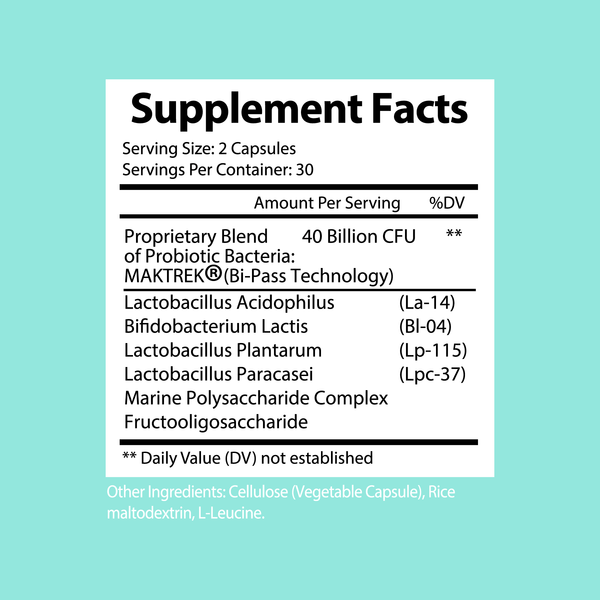
The most researched strains are Lactobacillus acidophilus, Lactobacillus casei, and Lactobacillus plantarum. Most people see results with 20-50 billion CFUs daily.
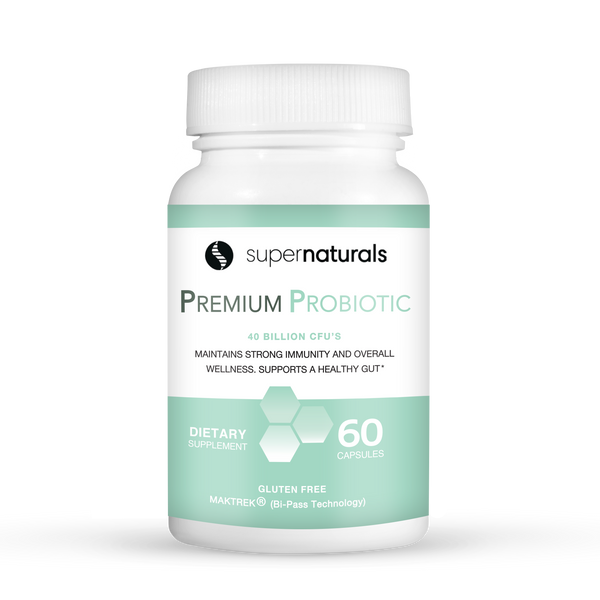
Take probiotics on an empty stomach to allow more bacteria to reach your colon intact. Some formulas use delivery technology like MakTrek Bipass Technology to protect probiotics through stomach acid. The Super Naturals Health Gut Health Starter Kit combines probiotics with IBSolution for comprehensive support.


Probiotics work best when paired with prebiotic fiber, essentially food for the good bacteria. Psyllium husk, which appears in many bloating-relief formulas, serves this dual purpose: it feeds beneficial bacteria while also supporting regularity.
Botanical Remedies and Natural Ingredients That Work
Several plant-based ingredients effectively relieve bloating. Ginger is anti-inflammatory and supports digestive comfort for gas and cramping. Peppermint oil has carminative properties, relaxing digestive tract muscles and reducing spasms (Checking your browser).
Aloe supports digestive comfort and bowel function. Slippery elm coats the digestive tract, reducing irritation. Hyssop leaf and black walnut hulls traditionally support digestive wellness.
Chlorella and acai provide micronutrient support. Lycopene has anti-inflammatory properties that benefit the digestive system.
The most effective bloating-relief formulas combine multiple botanical remedies. The Super Naturals Health IBSolution includes a comprehensive blend designed to address root causes of chronic bloating.
| Ingredient | Primary Function | Best For |
|---|---|---|
| Ginger | Anti-inflammatory, spasmolytic | Gas and cramping |
| Peppermint oil | Carminative, muscle relaxant | Spasms and discomfort |
| Aloe | Soothing, regularity support | Irritated digestive tract |
| Psyllium | Prebiotic fiber, bulking agent | Regularity and gas reduction |
| Bromelain | Protein digestion | Bloating after meat |
| Papain | Protein digestion | Bloating and constipation |
When to See a Doctor for Bloating: Red Flags and Next Steps
Natural supplements work well for functional bloating caused by enzyme deficiency, dysbiosis, or food sensitivities. Seek professional care if bloating accompanies persistent pain, unexplained weight loss, prolonged changes in bowel habits, or blood in stool.
Severe abdominal distension unresponsive to supplementation warrants testing to rule out celiac disease, SIBO, or inflammatory bowel disease. Your doctor can order tests to identify food intolerances or confirm dysbiosis, guiding supplement selection.
Working with both a primary care physician and functional medicine practitioner ensures comprehensive care: the doctor rules out serious conditions while the practitioner identifies triggers and builds a personalized protocol.
Building Your Bloating Relief Plan: Timing, Dosage, and Quality
An effective protocol requires correct timing, appropriate dosing, and verified quality.

Timing and Dosing Protocols
Different supplement types have different optimal timing windows:
Digestive Enzymes: Take one to two capsules immediately before eating. Use enzymes at breakfast and lunch (your largest meals); dinner often requires less support. Standard dosing is 1-3 capsules per meal depending on meal size. Protein-heavy meals use the higher end; light meals require one capsule.
Probiotics: Take on an empty stomach, ideally first thing in the morning or before bed. Standard dosing is 20-50 billion CFUs daily. Consistency matters more than timing, choose a schedule you'll follow reliably.
Prebiotic Fiber: Take 6+ hours apart from probiotics. Standard dosing is 5-15 grams daily, divided into two doses. Start at 5 grams and increase gradually over 1-2 weeks. Drink 8-10 ounces of water with each dose.
Botanical Remedies: Take ginger and peppermint as needed when bloating starts, or 15-30 minutes before triggering meals. Follow product labels and start at the lower end to assess tolerance.
Supplement Interactions with Common Medications
Acid Reducers (omeprazole, famotidine, ranitidine): These reduce stomach acid, which probiotics need to survive. Take probiotics 2+ hours after the medication, or use a probiotic with enteric coating or MakTrek Bipass Technology. Discuss enzyme supplementation with your doctor if on long-term acid reduction.
Always inform your doctor or pharmacist about supplements you're taking, especially if you're on prescription medications. Some interactions are mild; others are significant. Your healthcare provider can help you time supplements safely around medications.
Quality Control and Third-Party Certification
FDA Registration and GMP Certification: Look for "Made in an FDA-registered facility" or "GMP-certified" on the label. This ensures standardized manufacturing processes.
Building Your Protocol
Week 1: Add digestive enzymes at breakfast and lunch only.
Frequently Asked Questions
What supplements can help stop bloating?
Natural supplements for chronic bloating include digestive enzymes (like bromelain and papain), probiotics with beneficial CFUs, and botanical ingredients such as ginger, peppermint oil, and psyllium fiber. A combination approach often works best, pairing enzymes to break down food with probiotics to restore gut microbiome balance. Products like IBSolution combine multiple active ingredients specifically formulated to address gastrointestinal distress and support digestive comfort.
How long does it take for natural supplements to reduce bloating?
Most people notice initial relief within 1-3 weeks of consistent use, though full benefits may take 4-6 weeks as your gut microbiome adjusts and digestive enzymes begin optimizing nutrient absorption. Individual results vary based on the underlying cause of bloating, severity of symptoms, and adherence to dosing schedules. Starting with a lower dose and increasing gradually helps your digestive tract adapt without triggering temporary gas or discomfort.
Are digestive enzymes safe to take daily for chronic bloating?
Yes, digestive enzymes are safe for daily use when taken as directed. They support your body's natural ability to break down proteins, fats, and carbohydrates, functions many people lack due to minimal raw fruit and vegetable consumption. Look for products from FDA-registered facilities with third-party testing to ensure quality and potency. If you have specific health conditions or take medications, consult your healthcare provider about potential interactions before starting a new supplement regimen.
What makes natural supplements different from prescription medication for IBS?
Natural supplements address underlying digestive dysfunction through probiotics that restore gut microbiome balance, enzymes that improve nutrient bioavailability, and botanical remedies with anti-inflammatory and carminative properties. Unlike some prescription medications that mask symptoms, these supplements work to support your digestive tract's natural function. Many people find natural options ideal for long-term wellness routines addressing chronic bloating and regularity issues.